- Modernly furnished
- Spacious bathroom
- Balcony
- Elevator
- Free parking
- In nature reserve
Activities
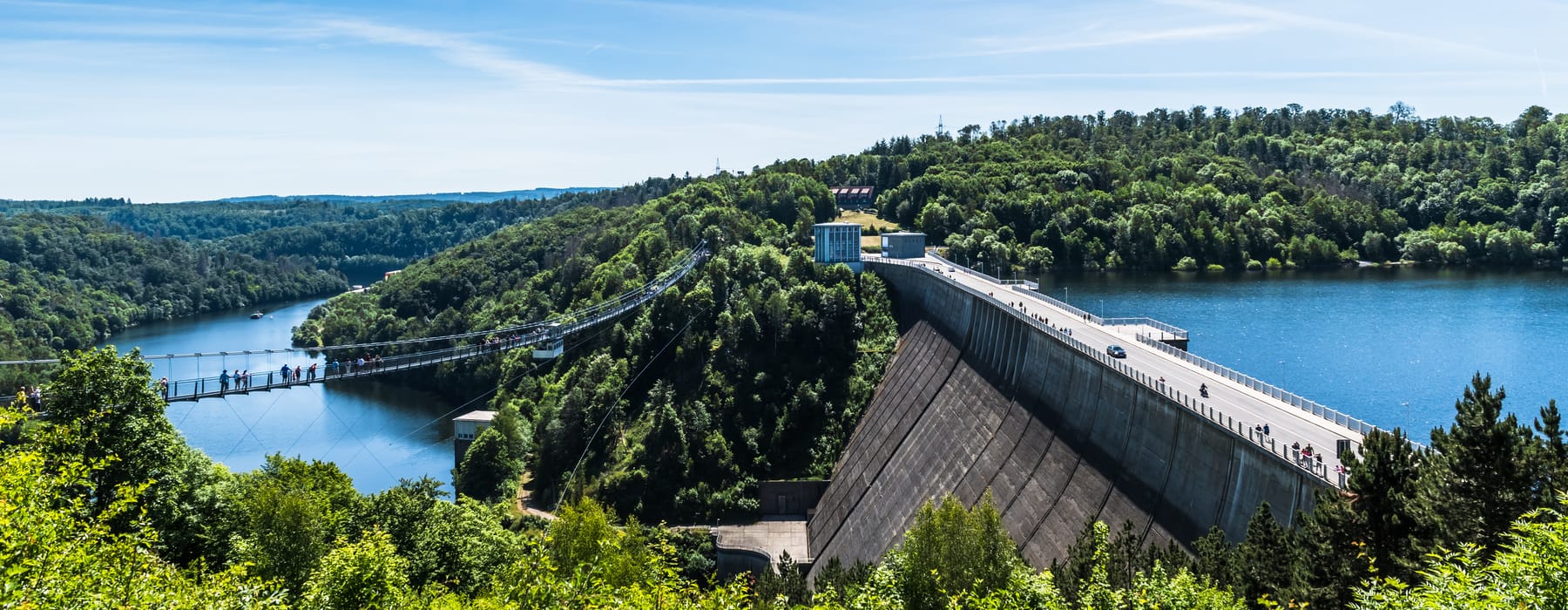
The Harz mountains offer magnificent and diverse scenery, along with a host of adventurous activities and attractions. For nature lovers and hikers, Harz National Park is a paradise featuring dense forests, mystical peat bogs, and crystal-clear streams, such as those found in the impressive Ilsetal valley. Those seeking thrills can head to the Rappbode Reservoir, where they can cross the Titan RT - one of the world's longest suspension bridges - or zip-line down at high speed. Additionally, visitors can admire unique rock formations at the Teufelsmauer and the Hexentanzplatz in Thale, where cable cars transport you to breathtaking viewpoints.
AlpakHarz Tours
- 15 min
- 43 min
- 2 hour, 1 min
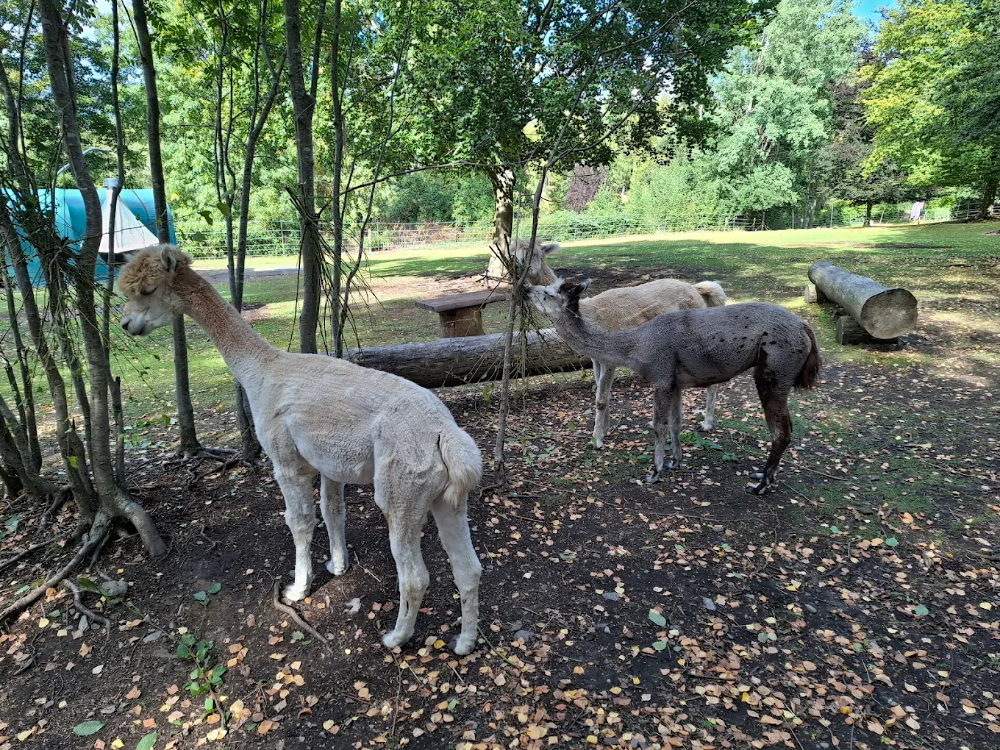
AlpakHarz Tours is an excursion provider in Braunlage, where you can walk through the beautiful nature of the Harz together with friendly alpacas. During the relaxing tours, tranquility, experiencing nature and contact with the animals are central. An experienced guide will tell you about the alpacas and the environment along the way, while the animals themselves set the pace. The walks are suitable for families, couples and nature lovers who want to experience the Harz in a special and relaxing way.
Baumwipfelpfad Harz
- 22 min
- 1 hour, 25 min
- 4 hour, 49 min
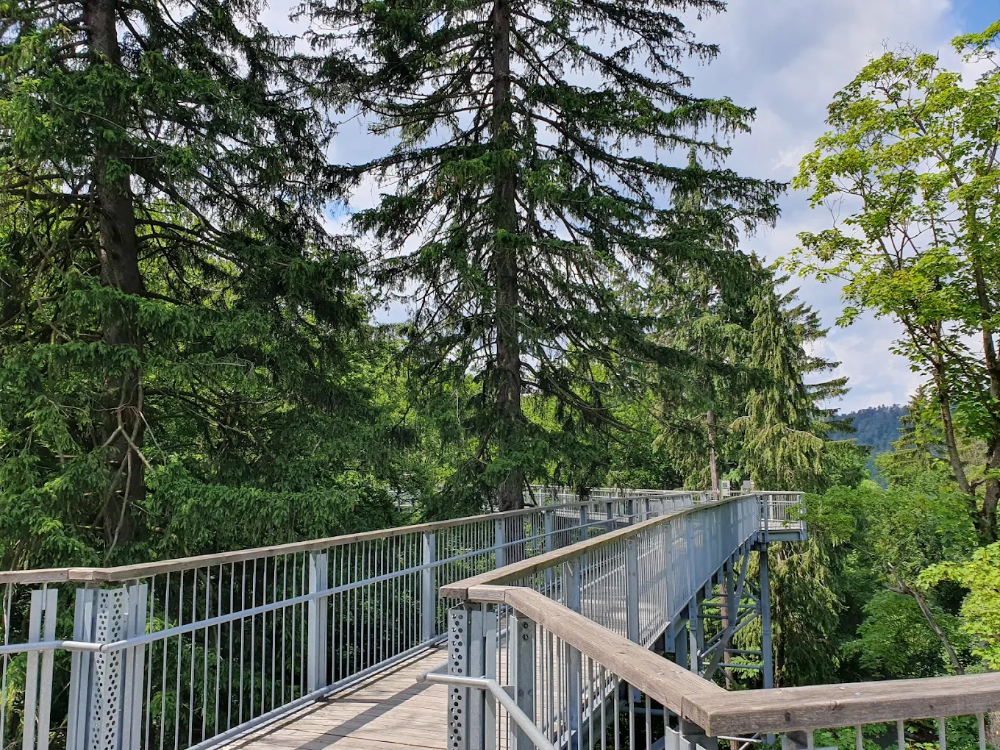
Baumwipfelpfad Harz is an impressive treetop path on the edge of the Harz, where visitors walk among the treetops and enjoy beautiful views of the forests and mountain landscape. The approximately one kilometer long, largely barrier-free path is suitable for young and old and provides information about the nature, flora and fauna of the Harz along the way. One of the highlights is the observation tower, from which you have a panoramic view of Bad Harzburg and the surrounding mountains.
Burg Falkenstein
- 1 hour, 7 min
- 3 hour, 20 min
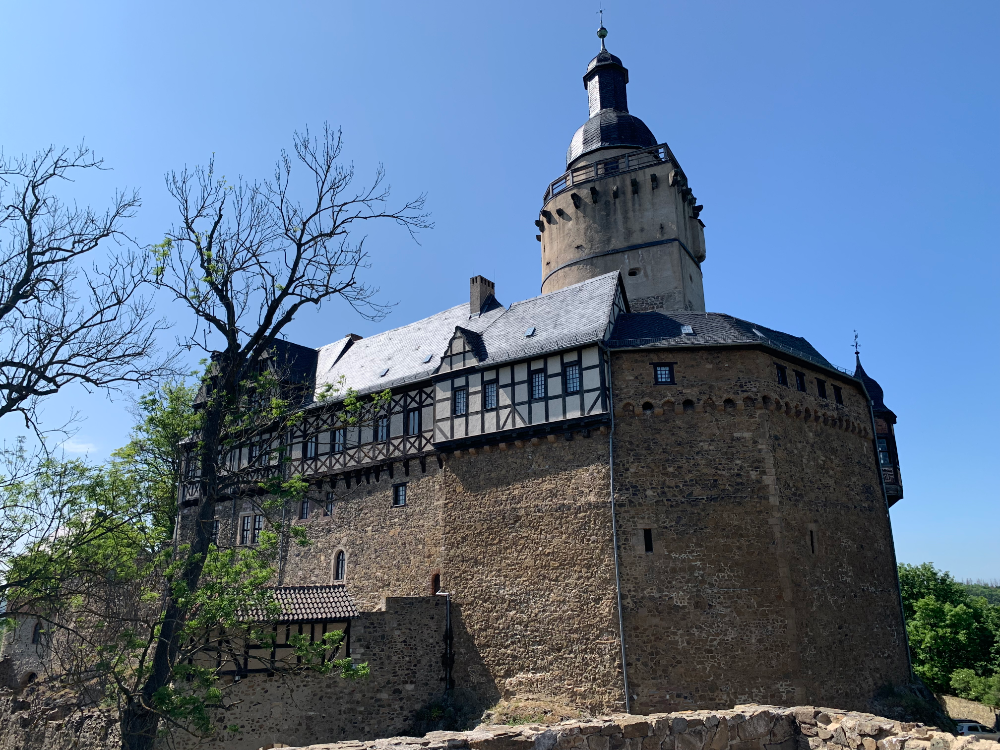
Burg Falkenstein is one of the best preserved medieval castles in the Harz and is picturesquely located on a wooded hill in the Harz Nature Park. The castle dates from the 12th century and offers a fascinating glimpse into life in the Middle Ages, with historic rooms, a knight's hall and an imposing defense tower. From the walls you have a beautiful view over the surrounding forests and valley. Thanks to its rich history, well-preserved architecture and idyllic location, Burg Falkenstein is a popular destination for lovers of culture, history and nature.
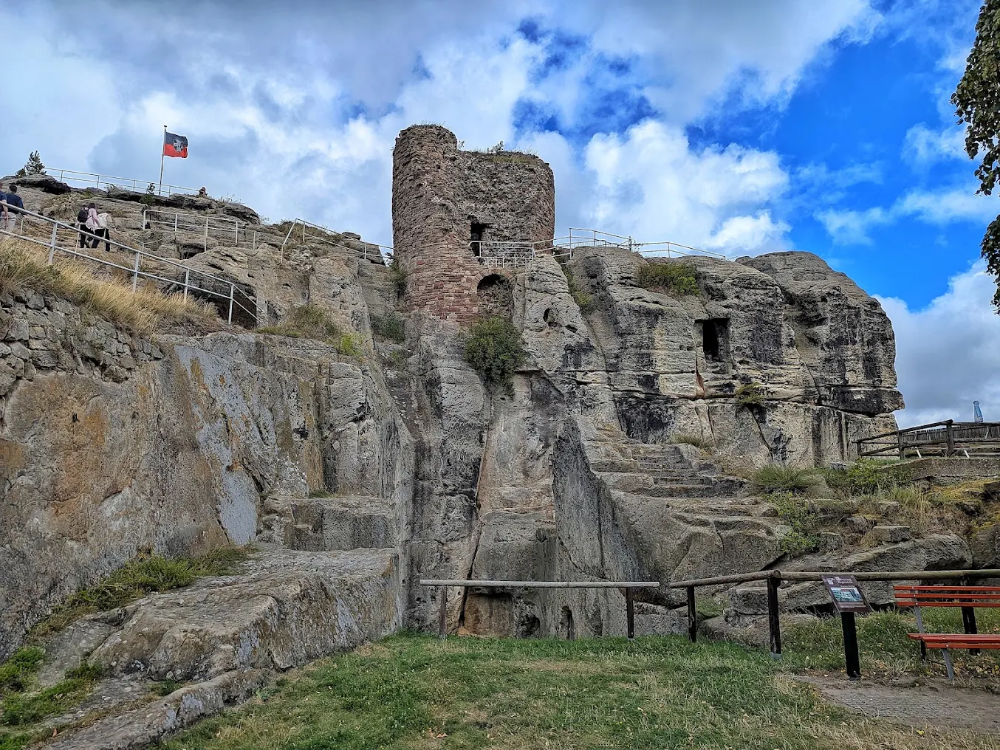
Burg und Festung Regenstein
- 36 min
- 1 hour, 41 min
Burg und Festung Regenstein is a medieval rock fortress on the edge of the Harz. The castle was partly hewn out of the sandstone rocks and later grew into a Prussian fortress. Today, visitors can explore the carved corridors, casemates and fortifications and enjoy stunning views over the Harz foreland.
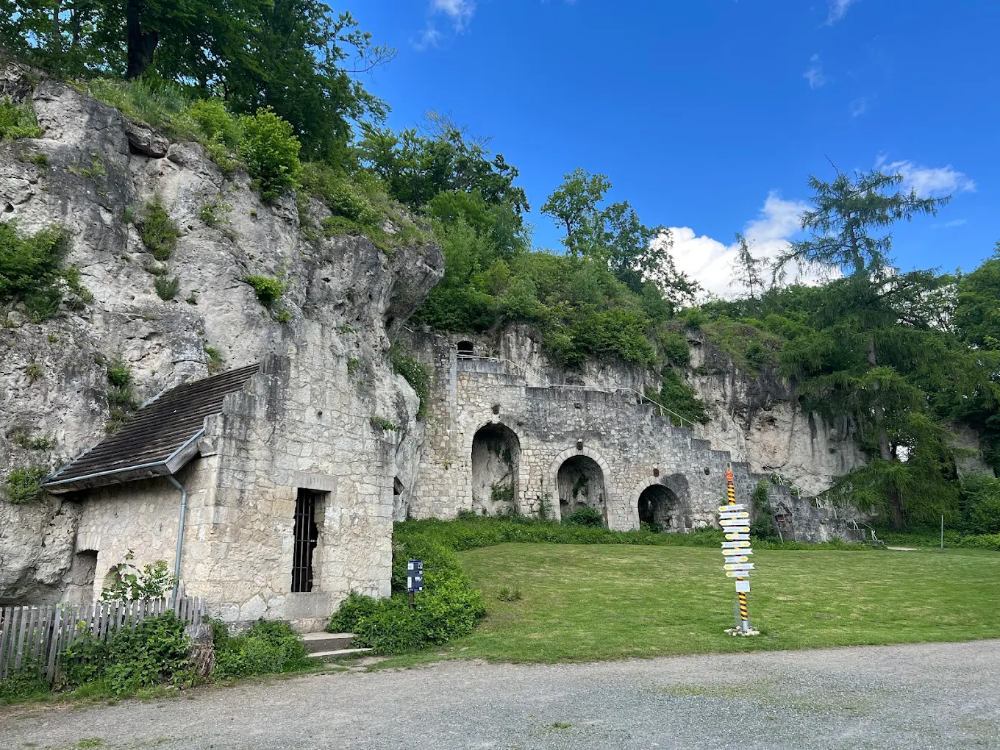
Burgruine Scharzfels
- 27 min
- 1 hour, 31 min
Burgruine Scharzfels is a castle ruin on a steep limestone cliff near Bad Lauterberg im Harz. The castle, which originally dates from the 10th century, was an important fortress for centuries and was largely destroyed during the Seven Years' War. Today, hiking trails lead to the ruins, where visitors can enjoy the historic remains and beautiful views over the forests and hills of the Harz.
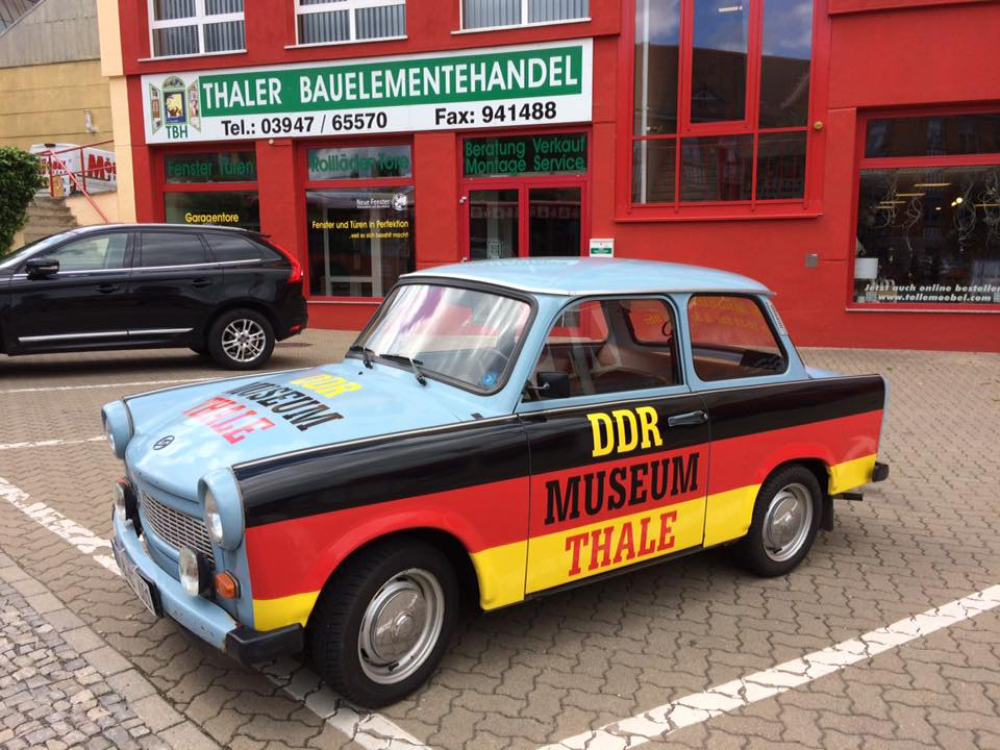
DDR Museum Thale
- 48 min
- 2 hour, 0 min
The DDR Museum is a museum in Thale that shows daily life in the former GDR (German Democratic Republic). Visitors get an impression of living, working and living in East Germany through original objects and recreated interiors. The emphasis is on everyday living and living culture, such as interiors from the GDR period, utensils, furniture, household items and information panels that explain life in that period. The exhibition is partly structured chronologically, so that the visitor, as it were, walks through time.
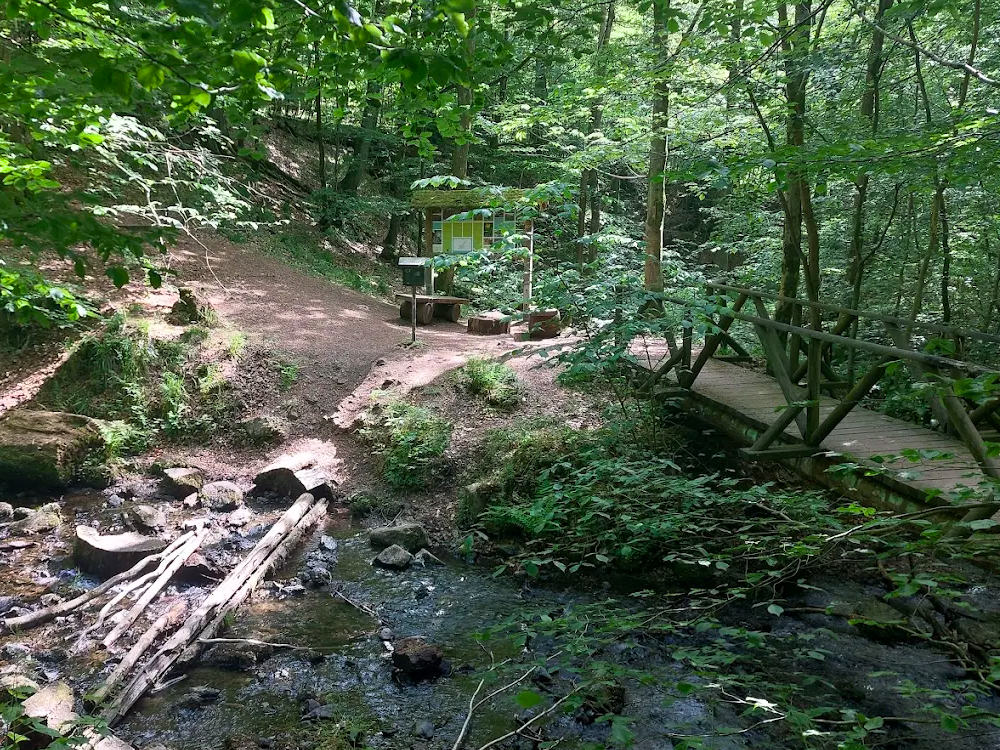
Dicke Tannen HWN 45
- 20 min
- 44 min
- 2 hour, 15 min
Dicke Tannen is a special natural monument in the Wolfsbachtal, between the villages of Hohegeiß and Zorge. Here are some of the oldest and thickest spruce trees in northern Germany, some of which are more than 300 years old and have a trunk circumference of up to 5 meters. The location is also stamping point number 45 of the Harzer Wandernadel and can be reached via various hiking trails. The imposing trees and the almost primeval forest-like atmosphere make Dicke Tannen a popular destination for hikers and nature lovers.
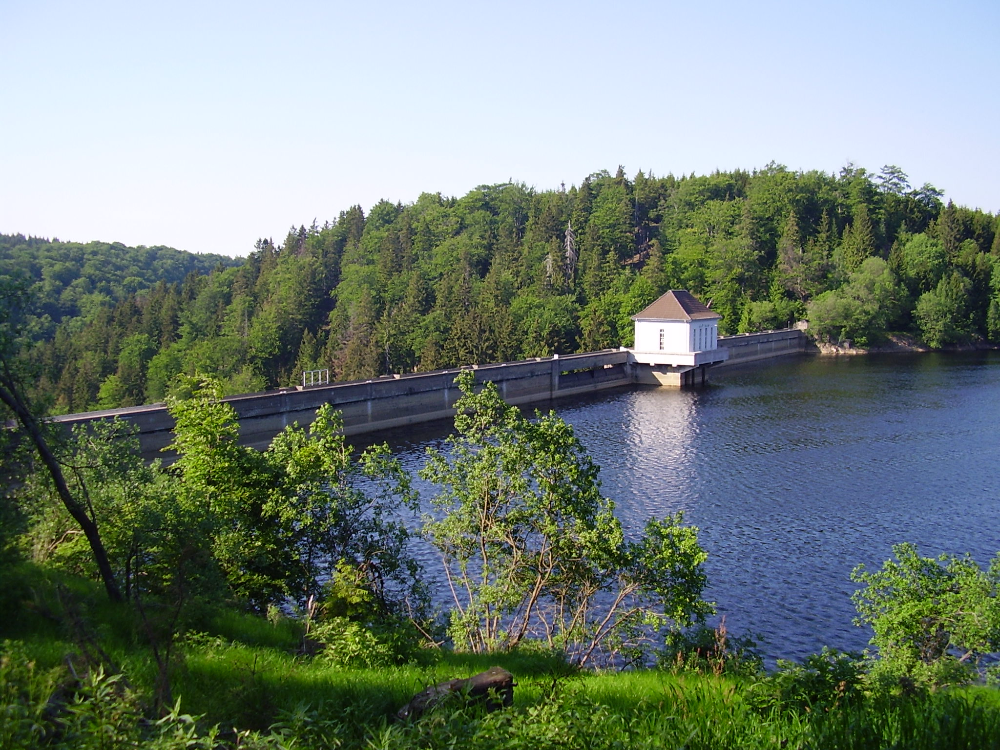
Eckertalsperre
- 27 min
- 1 hour, 12 min
- 3 hour, 52 min
The Eckertalsperre is a reservoir in the north of the Harz, near Bad Harzburg. The dam was constructed to supply drinking water and regulate the water level of the Ecker River. The area is popular with hikers and nature lovers because of the peaceful forests, beautiful views and well-maintained walking routes along the water. The former border between East and West Germany ran over this dam, which means that in addition to its natural beauty, the Eckertalsperre also has a special historical significance.
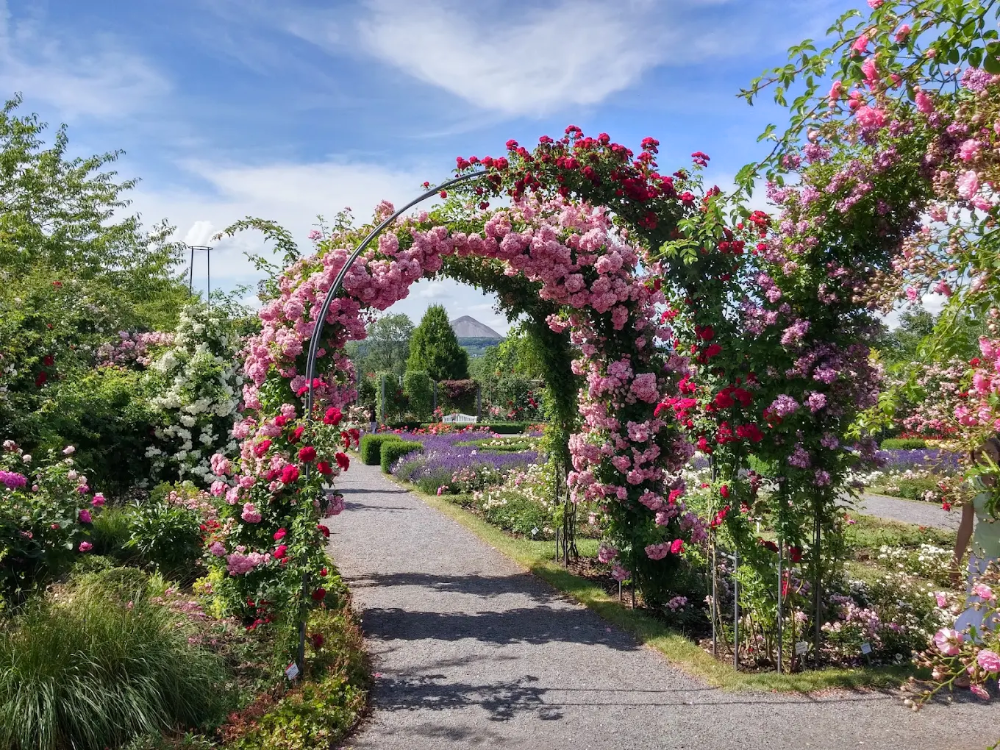
Europa Rosarium
- 1 hour, 5 min
- 3 hour, 47 min
The Europa Rosarium is an impressive botanical garden in the southern Harz and is known as the largest rose collection in the world. Thousands of species and varieties of roses grow in the park, forming a vast landscape of color and fragrance. The rosarium not only functions as a show garden, but also as a living gene bank and museum where the development of the rose from wild species to modern cultivars is preserved and shown. The park attracts many visitors, especially in the summer months, because of its spectacular flowering and romantic atmosphere.
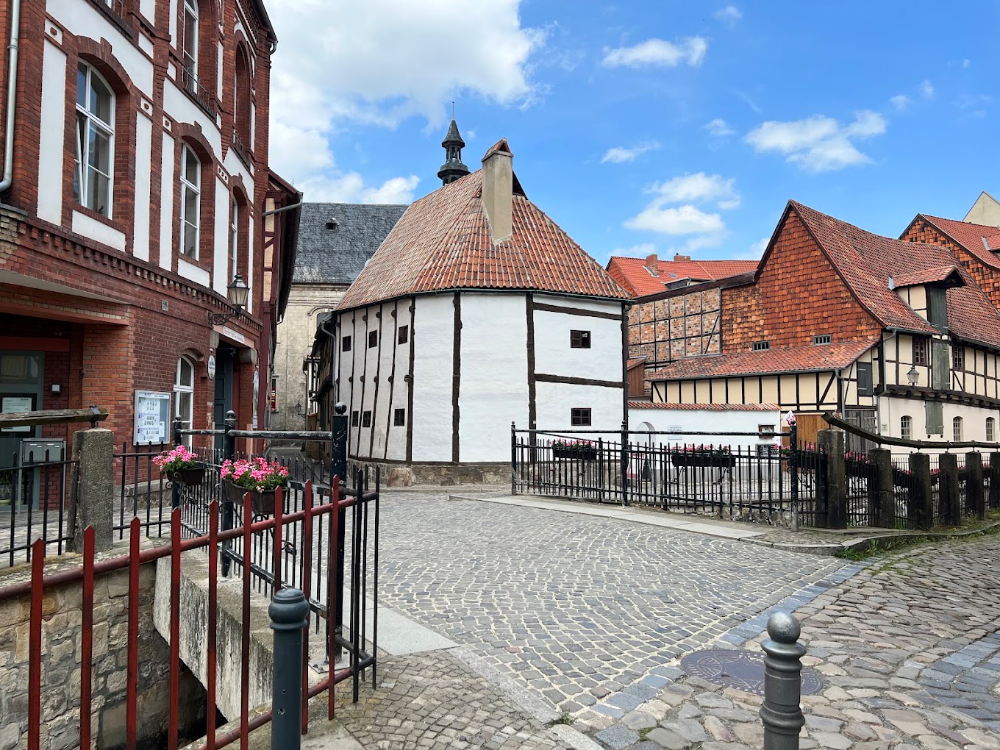
Fachwerkmuseum Quedlinburg
- 50 min
- 2 hour, 17 min
The Fachwerkmuseum in Quedlinburg is located in one of the oldest half-timbered houses in the city and shows how people used to live in these special historic buildings. The museum gives visitors a glimpse into the construction, history and daily life behind the characteristic half-timbered facades. Thanks to the attractive interior and authentic details, it offers a nice introduction to the centuries-old half-timbering tradition of Quedlinburg.
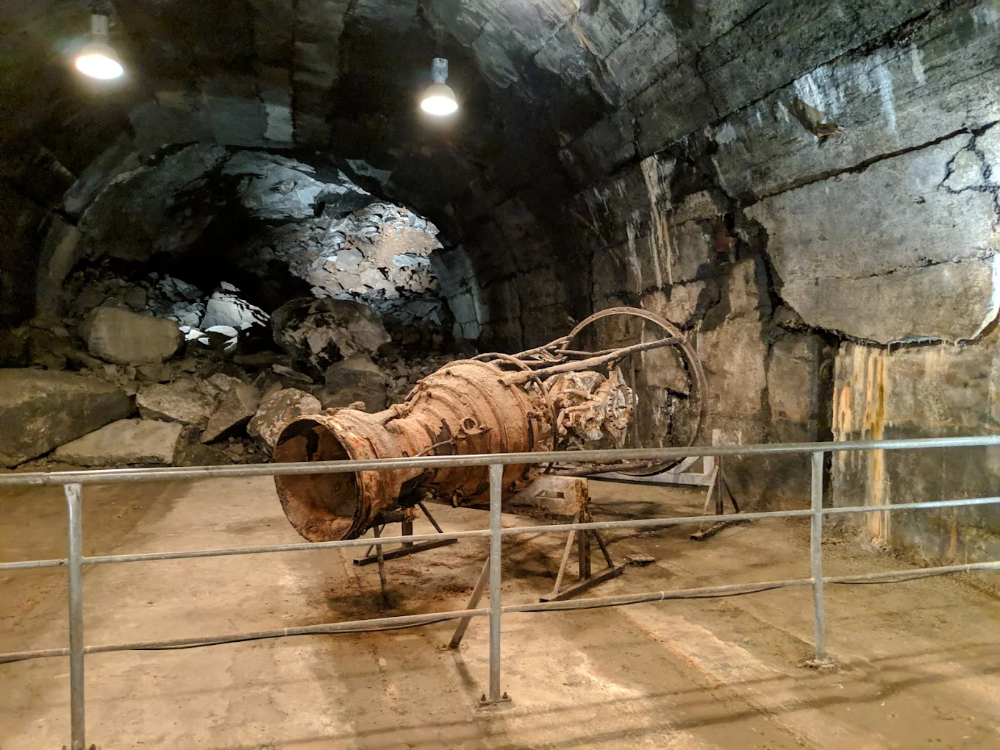
Gedenkstätte Mittelbau-Dora
- 40 min
- 1 hour, 42 min
Gedenkstätte Mittelbau-Dora is a memorial and education center near Nordhausen. During the Second World War, this location housed a concentration camp where prisoners had to perform forced labor under inhumane conditions, including for the production of V2 rockets in underground tunnels. Today the site is a memorial site where history is commemorated and documented, with exhibits and remaining camp structures educating visitors about the events and victims.
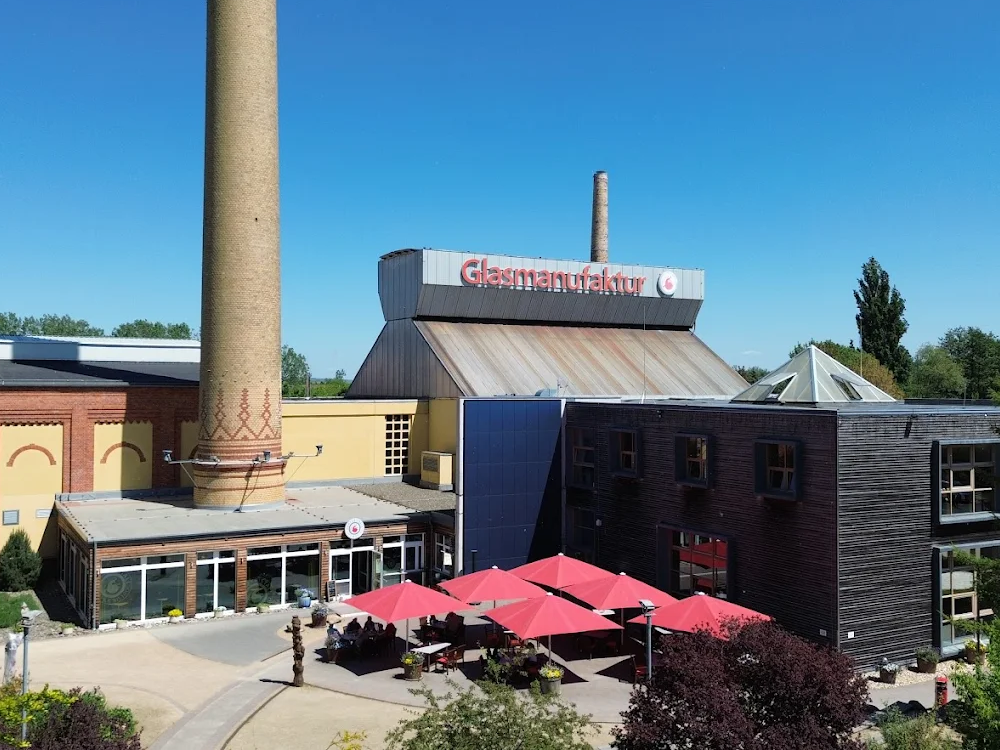
Glasmanufaktur Harzkristall
- 38 min
- 1 hour, 36 min
Glasmanufaktur Harzkristall is a glassblowing workshop and experience center in the village of Derenburg in the Harz. It is one of the last traditional glass factories in Germany where glass is still blown by hand. Visitors can take guided tours to see glassmakers working at the hot furnace and learn how glass has been produced for thousands of years. In addition to production, there is also an interactive experience world with exhibitions, workshops and a shop with handmade glass.
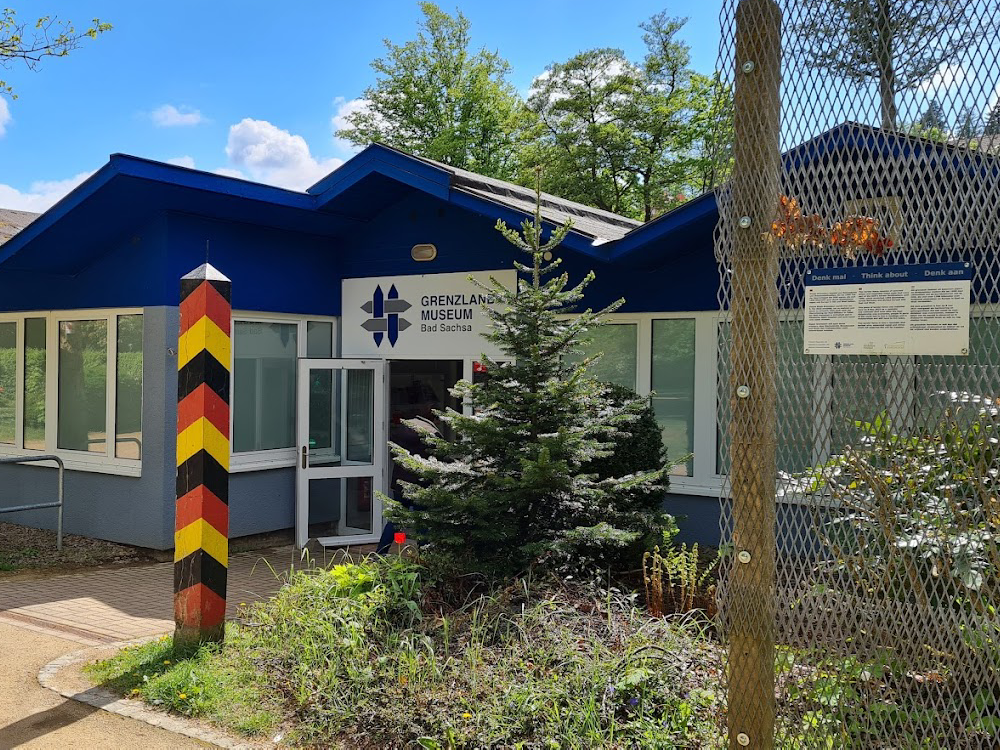
Grenzlandmuseum Bad Sachsa
- 32 min
- 1 hour, 1 min
- 3 hour, 55 min
Borderland Museum Bad Sachsa is a museum in the Harz that shows the history of the former border between East and West Germany. It mainly highlights the period 1945-1990 with exhibitions about border control, escape attempts and life in the border area. The exhibition focuses mainly on the period of the Cold War and shows how closely guarded the border was, what life in the border area was like and what risks people took when attempting to flee to the West.
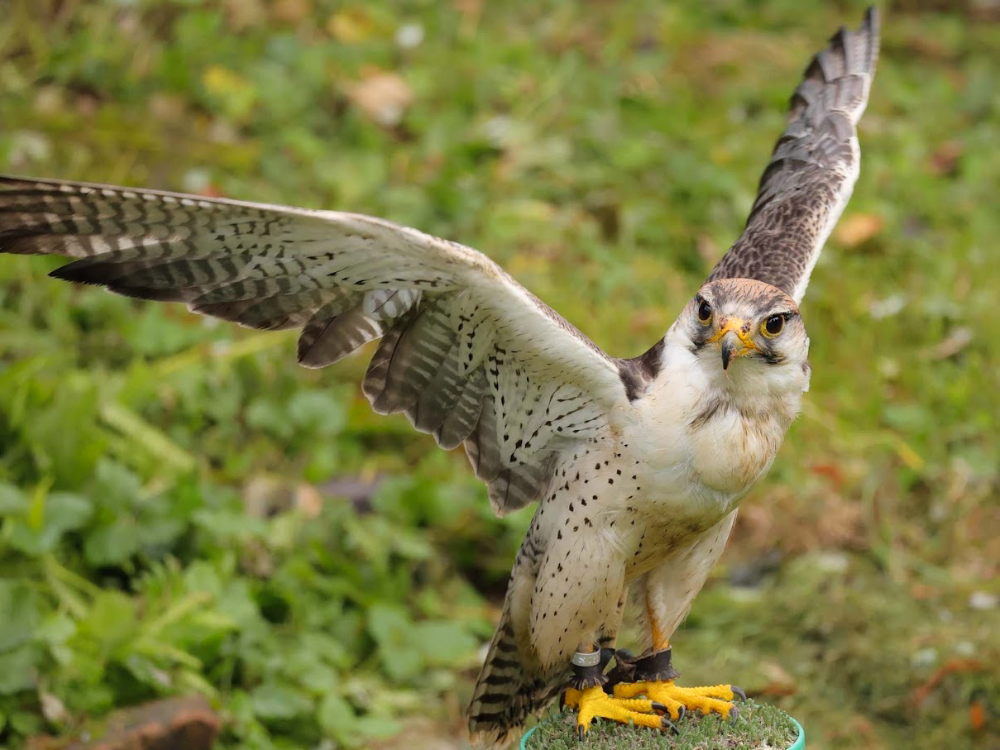
Harz Falkenhof
- 36 min
- 1 hour, 12 min
- 4 hour, 5 min
Harz Falkenhof is located on the Katzenstein near Bad Sachsa and is a special place for lovers of birds of prey and nature. Falconry includes eagles, falcons, vultures and owls, which can be admired up close during impressive air shows. In addition to the animals and demonstrations, the location on the Katzenstein offers a beautiful view of the southern Harz region.
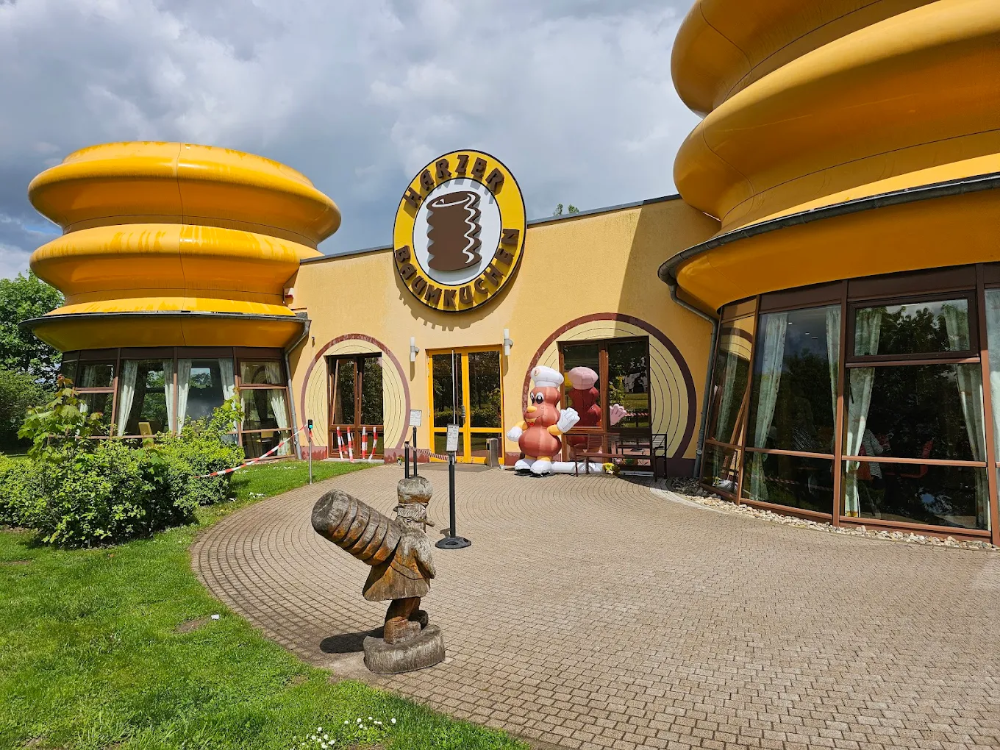
Harzer Baumkuchenhaus
- 32 min
- 1 hour, 23 min
The Harzer Baumkuchenhaus is a café and experience location on the edge of Wernigerode where everything revolves around the traditional Baumkuchen. These 'king of cakes' are freshly baked layer by layer in the building and visitors can taste different variants in the café. In addition to the bakery, there is also a small exhibition on the history of the Baumkuchen, making it not only a dining location but also a mini-museum.
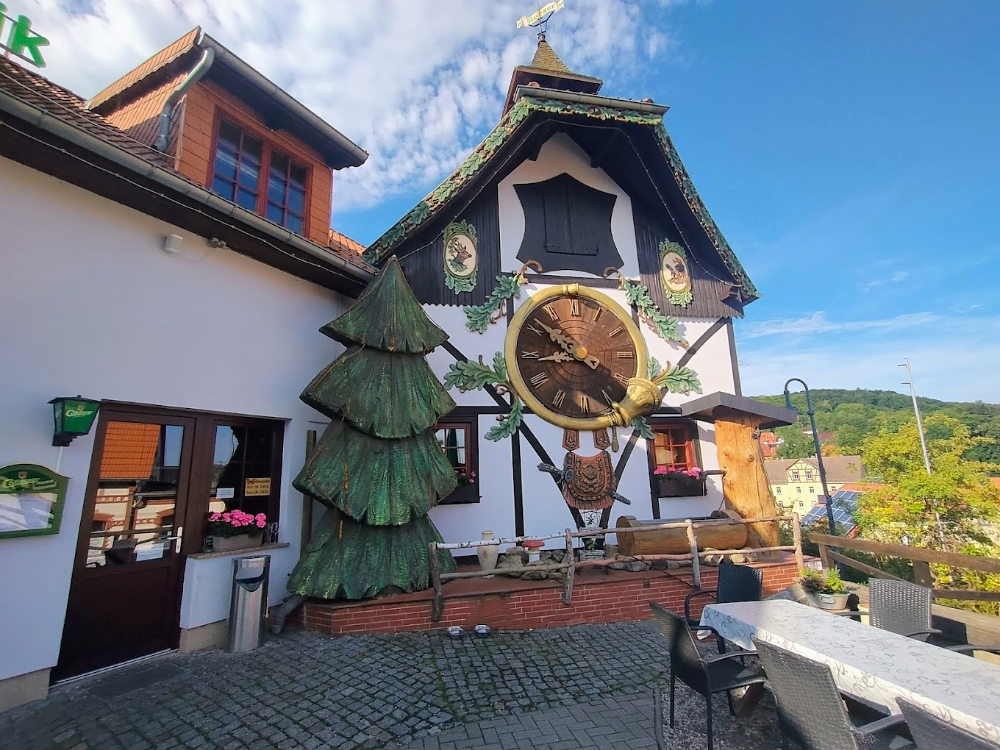
Harzer Uhrenmuseum
- 55 min
- 2 hour, 35 min
The Harzer Uhrenmuseum in Gernrode is a special place for lovers of clocks, craftsmanship and nostalgia. The museum and the associated clock factory mainly focus on the traditional cuckoo clock. Visitors not only get a look at an extensive collection of clocks, but can also see how a cuckoo clock is made and how the complicated mechanism works. The collection includes 300 different cuckoo clocks, grandfather clocks and other timepieces. A visit also tells the story of the clockmaking tradition in Gernrode, where mechanical clocks have been manufactured since 1948.
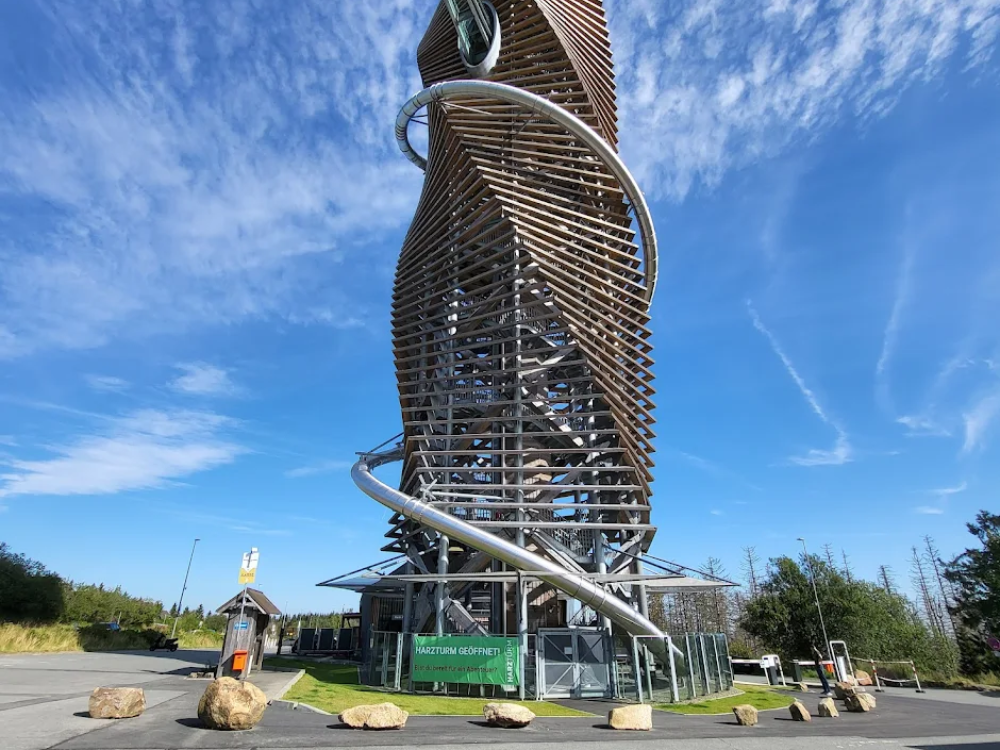
Harzturm Torfhaus
- 13 min
- 1 hour, 3 min
- 2 hour, 55 min
The Harzturm is a modern observation tower in the heart of the Harz, close to the Harz National Park and the Brocken. The 65-meter-high tower offers panoramic views over the mountain landscape and is designed as an experience tower with multiple viewing platforms, including a glass skywalk. Visitors can reach the top via a lift or stairs and down again via a spectacular 110 meter long slide called the 'Rasantia'. Thanks to the combination of views, nature experience and adventure, the Harz Tower is a striking and popular attraction in the Harz.
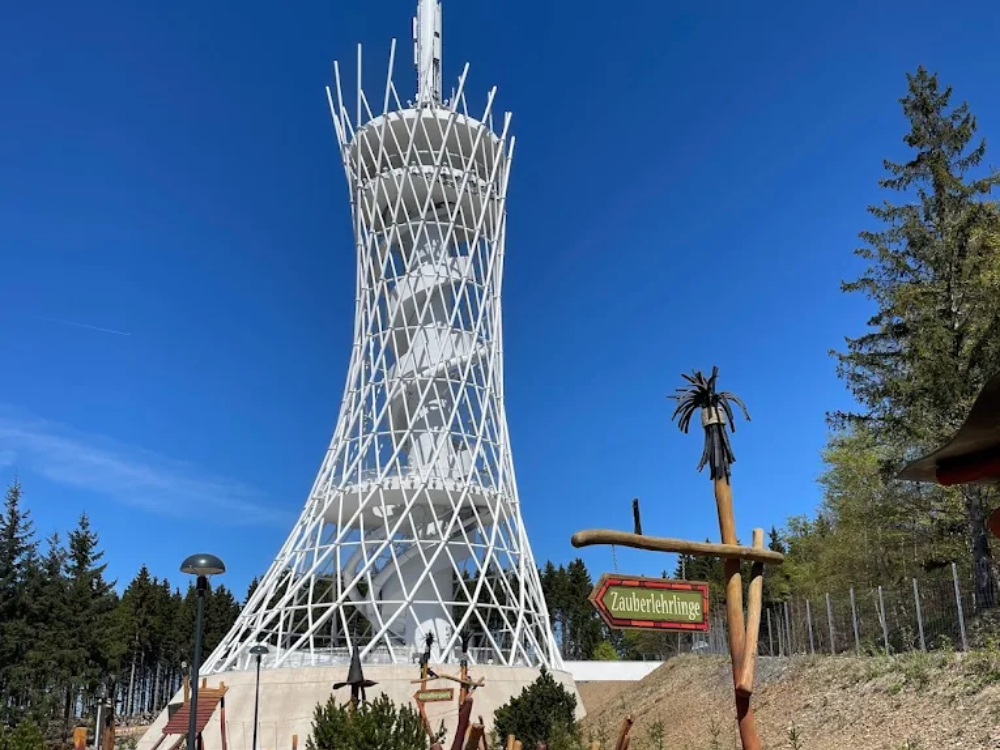
HEX Erlebniswelt
- 16 min
- 1 hour, 4 min
- 3 hour, 17 min
HEX Erlebniswelt is a modern family attraction in the Harz, located in Rothesütte near Ellrich. The centerpiece is a 70-meter-high observation tower in the shape of a gigantic witch's broom, with a panoramic platform and 2 long slides down. Around the tower there is an interactive experience world with play areas, an exhibition about Harz legends and activities where children can discover magic for themselves. Thanks to its mix of views, adventure and folklore, it is a striking new attraction in the southern Harz region.
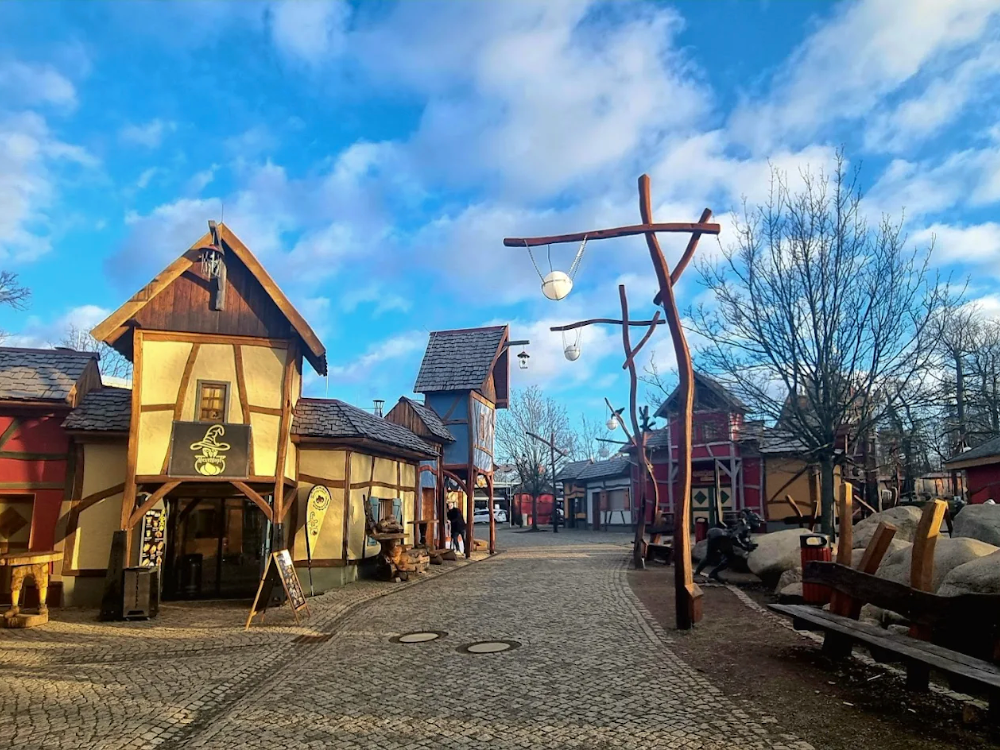
Hexentanzplatz Thale
- 47 min
- 2 hour, 15 min
The Hexentanzplatz is a famous and mystical mountain plateau above the Bodetal, at an altitude of about 450 metres. According to ancient legends, witches gathered here during Walpurgisnacht (the night of April 30 to May 1) to dance and hold rituals, which gave the place its name and mythical reputation. It is a popular tourist destination with impressive views over the deep gorge of the Bodetal and the surrounding Harz. On and around the plateau you will find various attractions, such as the Harzer Bergtheater, an animal park and a cable car connection from Thale.
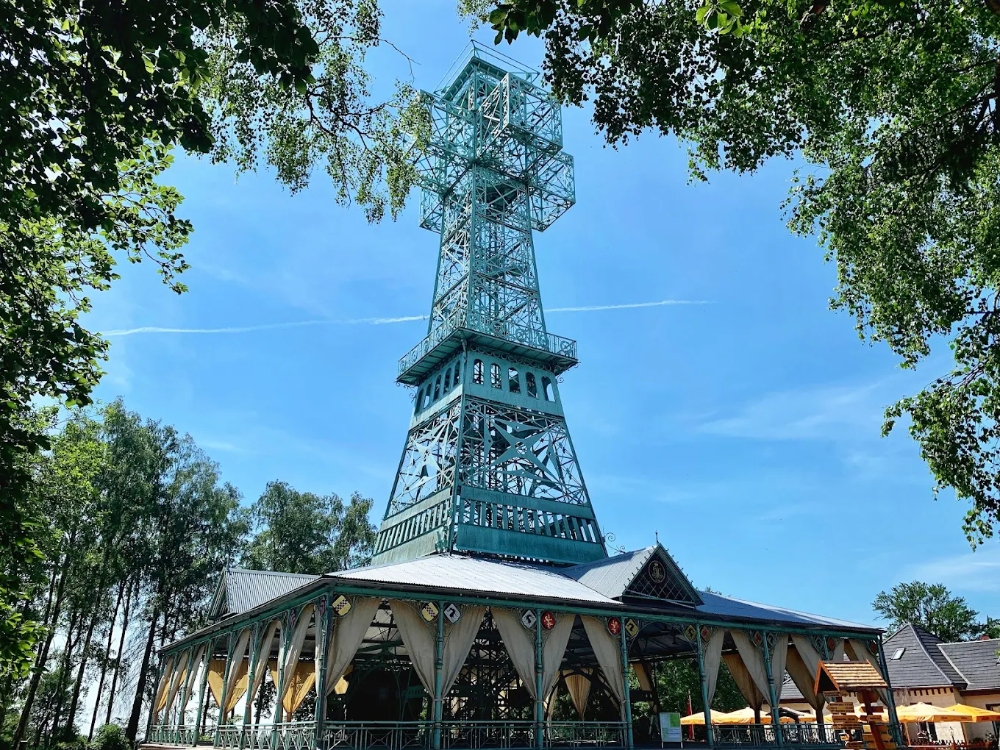
Josephskreuz
- 39 min
- 2 hour, 19 min
The Josephskreuz is an impressive steel lookout tower on the Auerberg near Stolberg. The double cross-shaped construction was originally built in 1896 and, with a height of over 38 meters, is one of the largest steel cross constructions in the world. From the viewing platform you have a wide panorama over the forests and hills of the Harz. The tower can be reached via hiking trails and is a popular destination for hikers who want to combine nature and views.
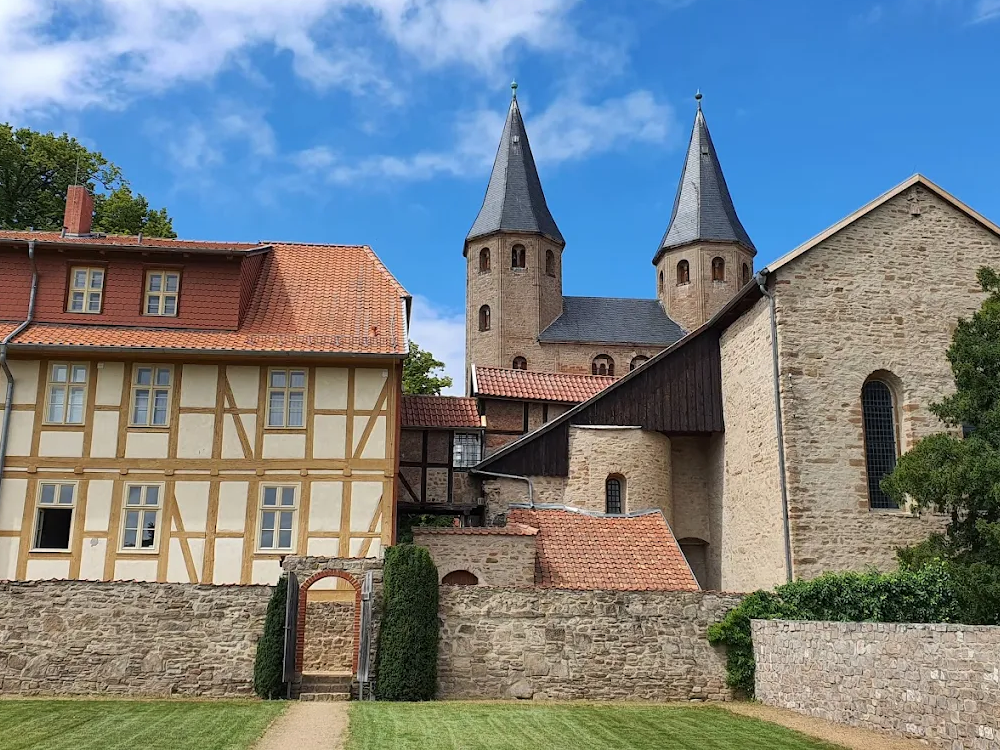
Kloster Drübeck
- 43 min
- 1 hour, 30 min
Kloster Drübeck is a historic monastery complex in the village of Drübeck, near Ilsenburg on the edge of the Harz. The monastery dates from the 10th century and was originally a Benedictine women's abbey. It is a well-preserved and partly restored complex with a characteristic Romanesque monastery church, monastery gardens and quiet courtyards. It is used as a meeting and reflection center and is a popular place for visitors looking for culture, history and silence in a green environment.
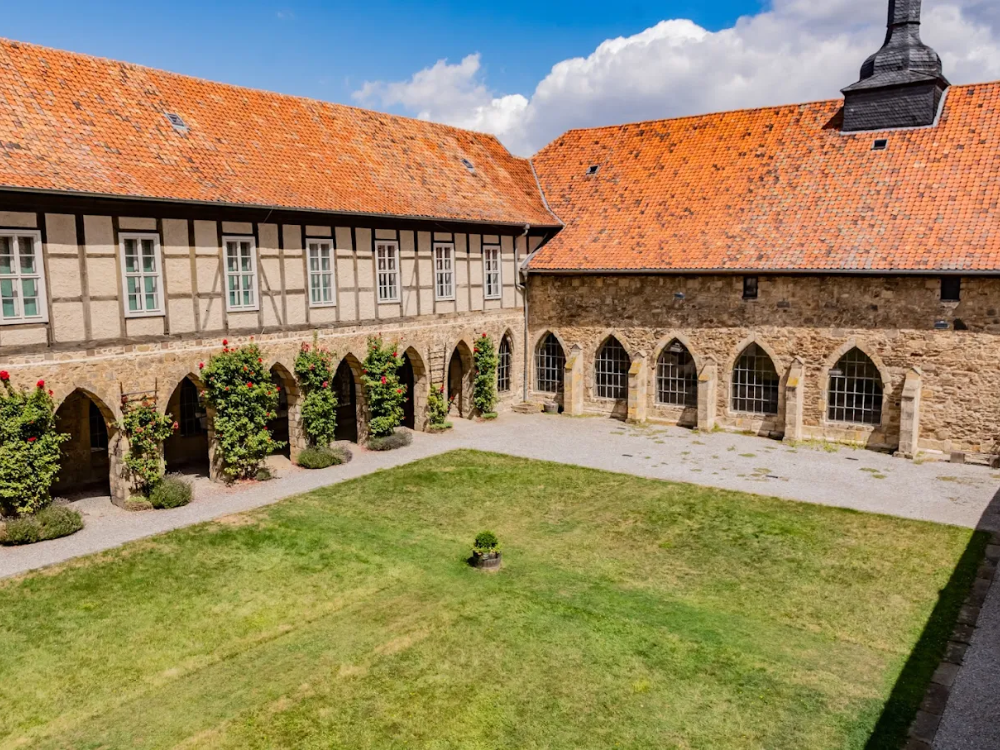
Kloster Michaelstein
- 37 min
- 1 hour, 30 min
Kloster Michaelstein is een voormalig cisterciënzer klooster net buiten Blankenburg in de Harz. The monastery was founded in the 12th century and consists of a well-preserved complex with cloisters, church ruins and an idyllic monastery garden. Today, Kloster Michaelstein is known as a cultural and musical center, with regular concerts and events, and a museum of early music. De rustige ligging in het groen maakt het daarnaast een geliefde plek voor wandelaars en bezoekers die historie en natuur willen combineren.
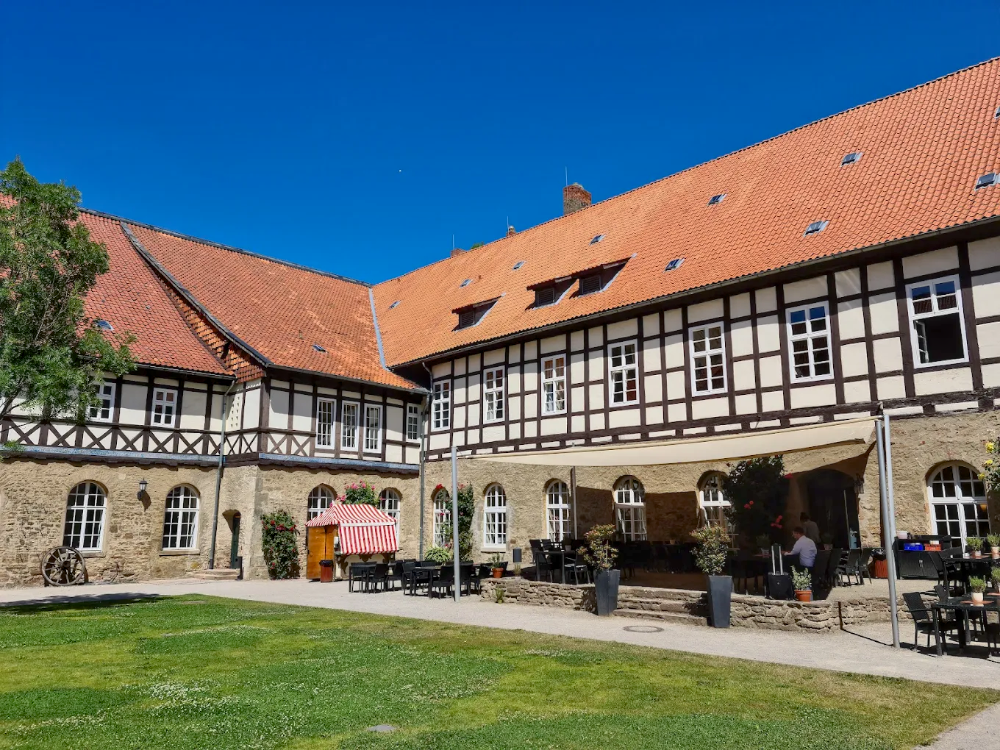
Kloster Wöltingerode
- 33 min
- 2 hour, 8 min
Kloster Wöltingerode is a former Benedictine monastery just outside Goslar on the edge of the Harz. The monastery was founded in the 12th century and has a long religious and agricultural history. Today, the complex has been largely restored and is used as a hotel, restaurant and distillery, where, among other things, traditional monastery liqueurs are produced. The quiet location, historic buildings and monastery gardens make it an attractive place for visitors who want to combine culture, heritage and relaxation.
Konradsburg
- 1 hour, 1 min
- 3 hour, 29 min
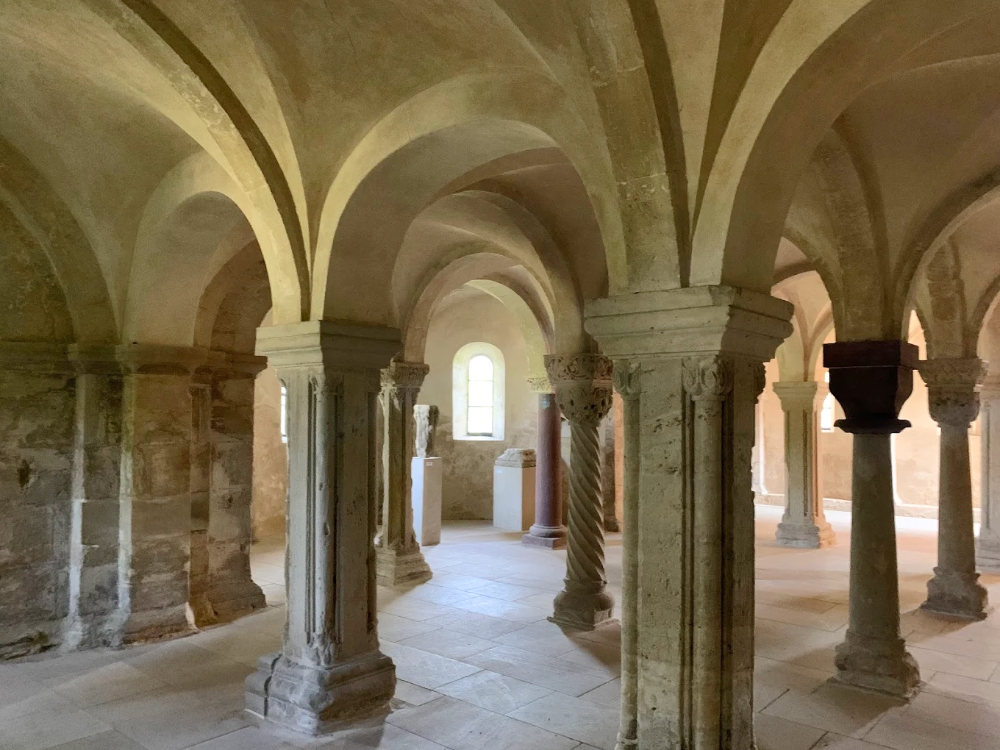
The Konradsburg is a historic former castle and monastery near Ermsleben on the edge of the Harz. Its origins date back to the 11th century, when it served as a knight's castle and was later transformed into a Benedictine monastery. Konradsburg has been largely restored and partly accessible to visitors. You will still find parts of the old ring walls, a monastery church and buildings that show the long history of the place. It is a quiet, attractive location that beautifully brings together cultural history and landscape.
Kräuter-Erlebnispark Altenau
- 19 min
- 1 hour, 23 min
- 4 hour, 13 min
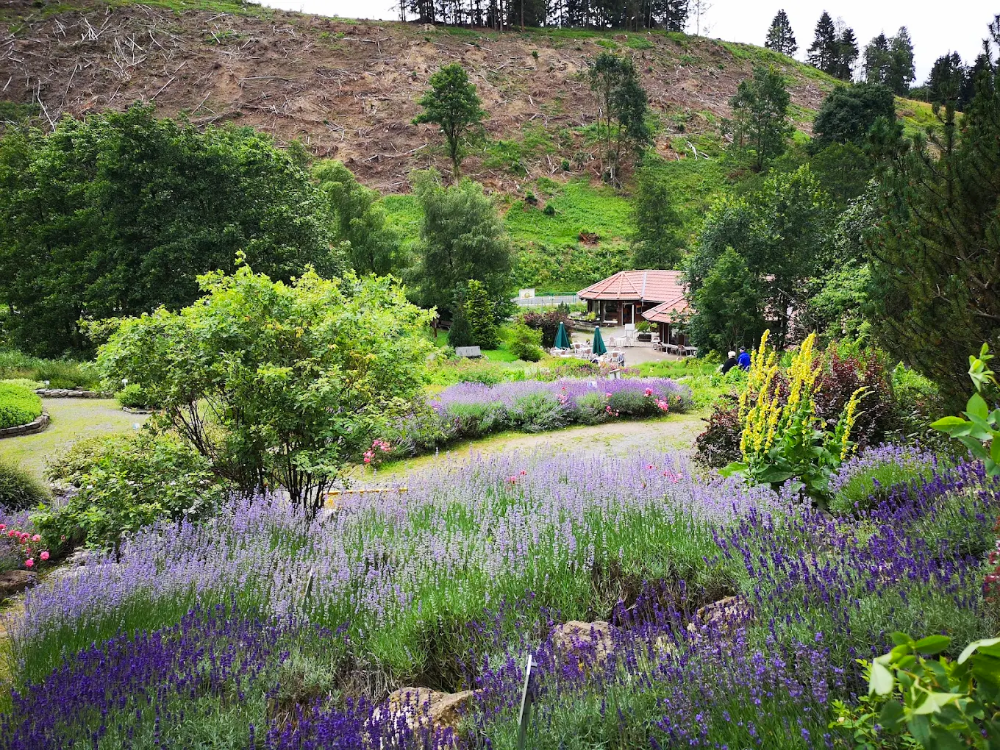
Kräuter-Erlebnispark Altenau is a large botanical experience garden in the Upper Harz, where visitors can discover an extensive collection of herbs, spices and medicinal plants. The park is known as one of the largest herb parks in Germany and offers walking paths past themed gardens, a herb gallery and a striking 'Gewürz Pagoda'. During a visit it is all about sensory experience: smelling, tasting and learning about the uses of herbs in cooking and traditional medicine. In addition to the gardens, there is also a café and a shop with homemade herbal mixtures and specialties.
Kurgastzentrum Braunlage
- 4 min
- 5 min
- 14 min
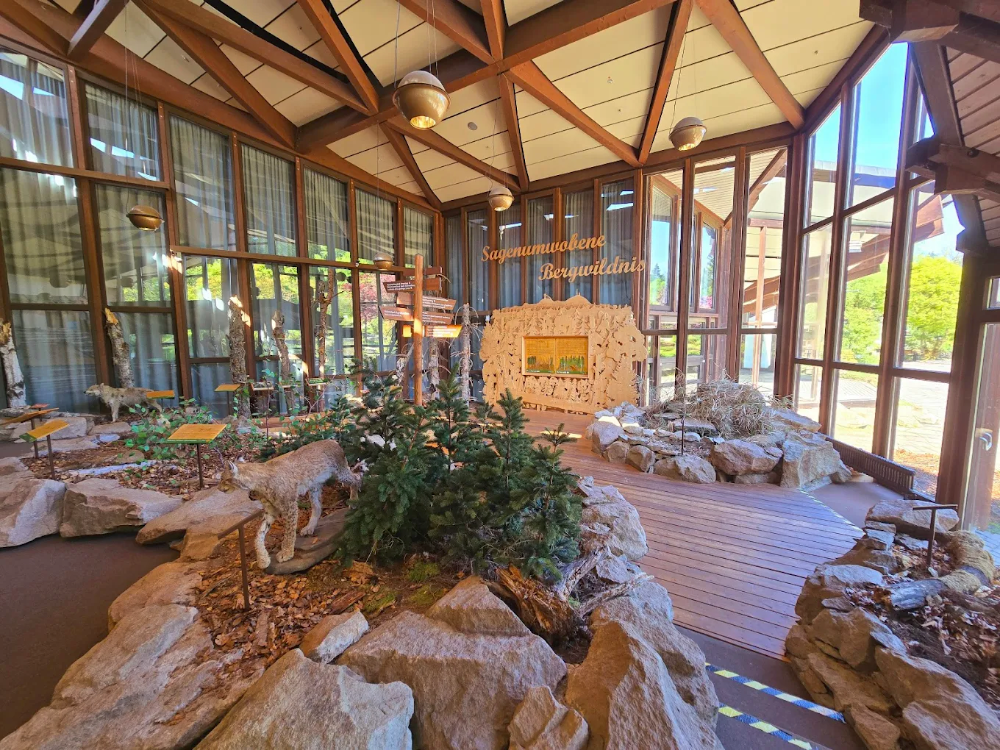
Kurgastzentrum Braunlage is the central tourist and spa center of Braunlage. The building functions as an information point for visitors and provides tourist information, hiking maps and advice on activities in the region. In addition, events, exhibitions and cultural activities are regularly organized. Thanks to its central location, the Kurgastzentrum is an important starting point for trips to the surrounding nature, such as the Wurmberg and the Harz National Park.
Kurpark Bad Harzburg
- 22 min
- 1 hour, 25 min
- 4 hour, 52 min
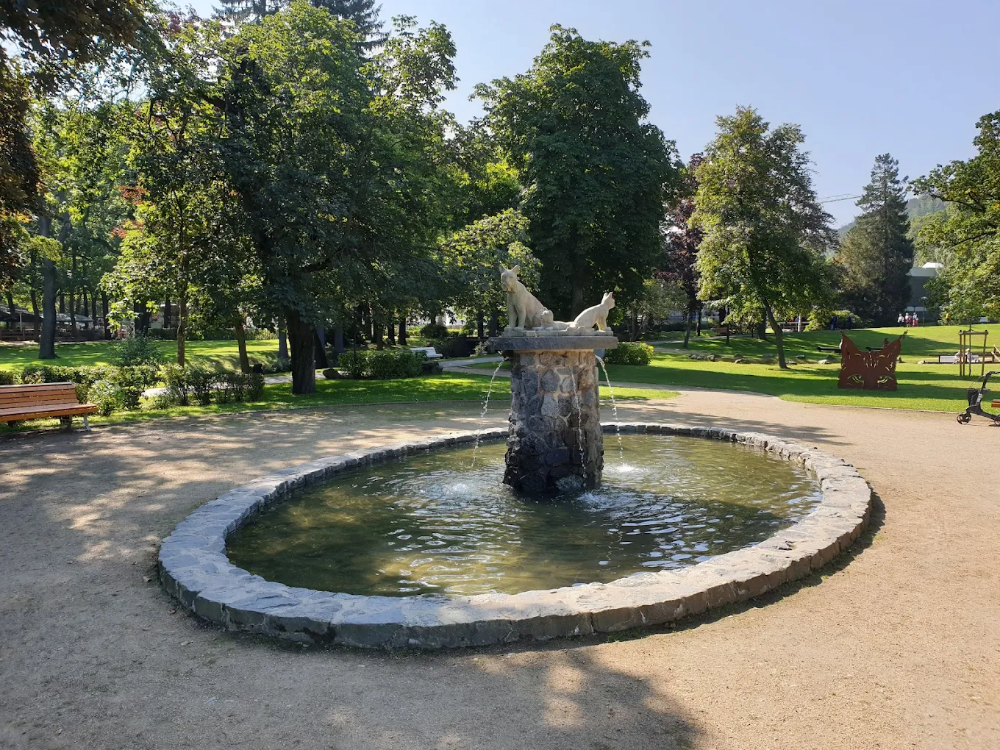
Kurpark Bad Harzburg is an attractive city park in the spa town of Bad Harzburg, on the edge of the Harz. The park was built in the 19th century and still forms the green heart of the city. Visitors will find wide walking paths, ponds, flower beds and quiet seating areas, as well as event locations and a spa house. Thanks to its location right on the edge of the forest, the Kurpark is a popular place to walk, relax and embark on tours to the surrounding hills and the Harz National Park.
Kurpark Braunlage
- 4 min
- 7 min
- 18 min
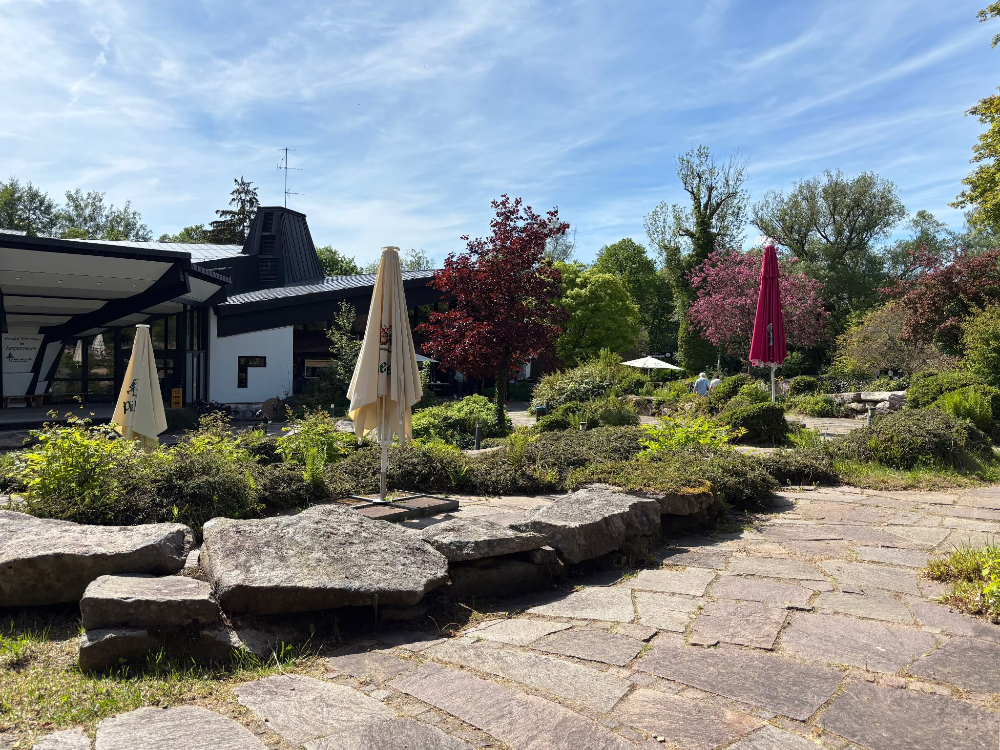
Kurpark Braunlage is a quiet and green city park in the spa town of Braunlage, located in the heart of the Harz. The park offers hiking trails, ponds, and open lawns where visitors can relax in a mountain setting. Due to its central location, the Kurpark is often used for events and as a starting point for walks into the surrounding nature, such as the Wurmberg. It is a popular place to relax after a day in the mountains or on the ski slopes.
Kyffhäuser Denkmal
- 1 hour, 13 min
- 3 hour, 24 min
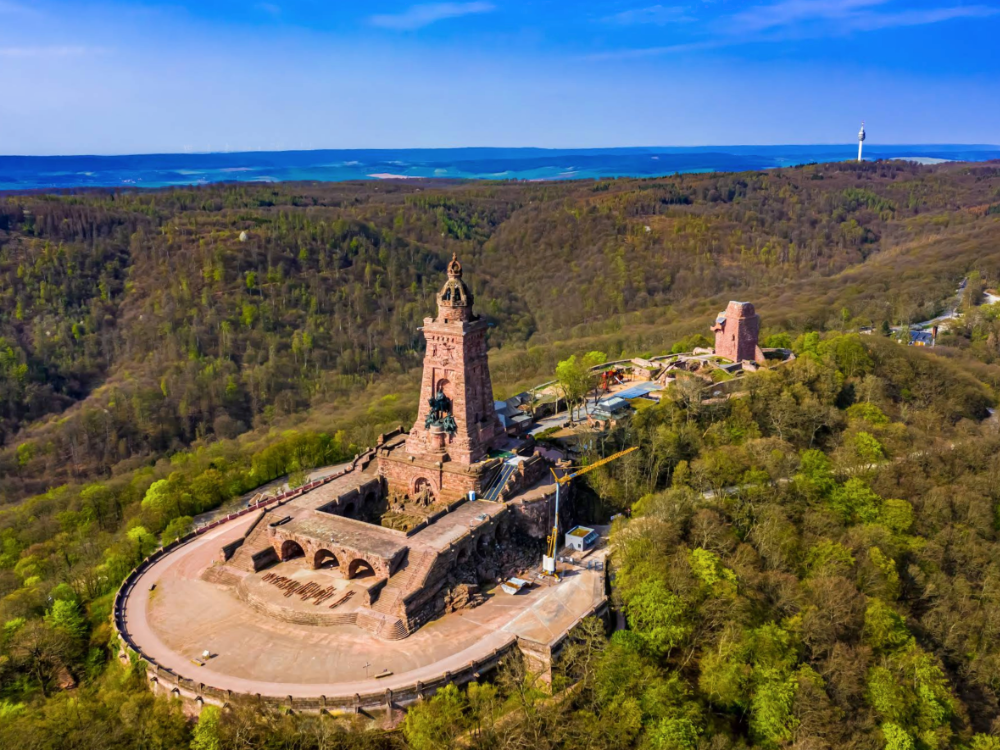
The Kyffhäuser Denkmal is located on top of the wooded Kyffhäuserberg in Thuringia and is an impressive monument in honor of Emperor Wilhelm I. It was inaugurated in 1896 and is over 80 meters high. At its center is the imposing equestrian statue of Wilhelm I. The monument stands on the remains of the medieval Reichsburg Kyffhausen, which is closely linked to the legend of Emperor Frederick Barbarossa. According to this famous saga, Barbarossa sleeps deep under the Kyffhäuserberg and will one day return. The combination of the monumental architecture, the old castle ruins and the special legend makes the Kyffhäuser Denkmal a fascinating historical place.
Luftfahrtmuseum Wernigerode
- 30 min
- 1 hour, 17 min
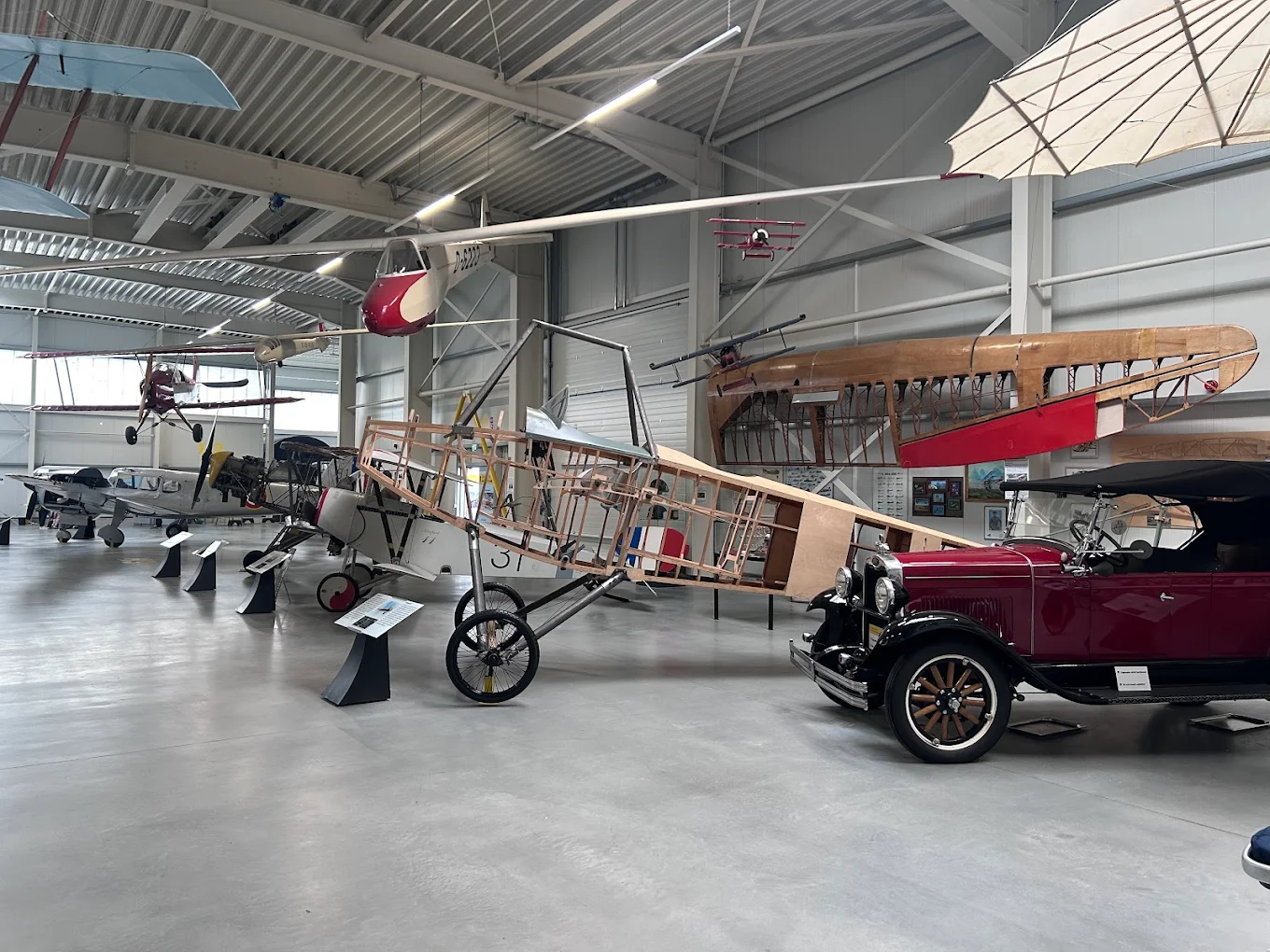
Luftfahrtmuseum Wernigerode is a large aviation museum in Wernigerode. The museum displays an extensive collection of historic aircraft, helicopters, fighter jets and aviation technology, both indoor hangars and outdoor exhibits. Visitors can view many aircraft up close and gain insight into the development of aviation, from early propeller planes to modern jet technology. Its interactive design and wide variety of exhibits make it a popular attraction for families and aviation enthusiasts alike.
Miniaturenpark Wernigerode
- 32 min
- 1 hour, 21 min
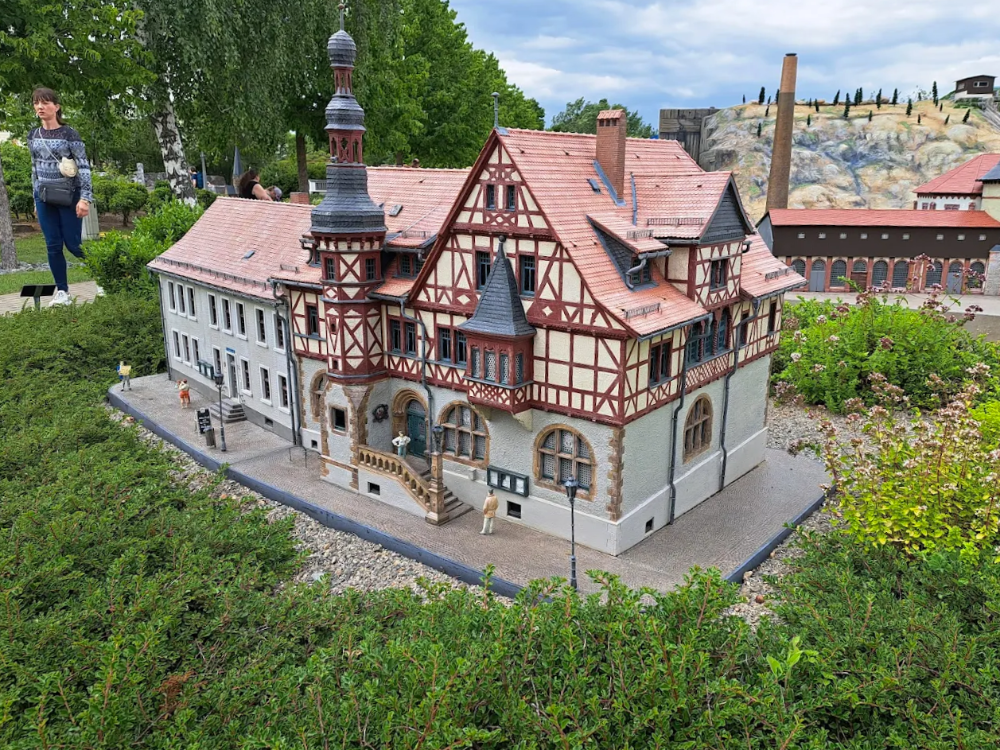
Miniature Park Kleiner Harz is a popular miniature park in the Bürgerpark of Wernigerode, where you can admire scale models of famous sights from the Harz. The park features dozens of carefully recreated buildings and landscapes, such as castles, churches and stations, all in a detailed miniature world with gardens, water features and moving elements such as a steam train. The concept is that visitors travel, as it were, through the entire Harz in a short time and thus gain inspiration for real trips in the region.
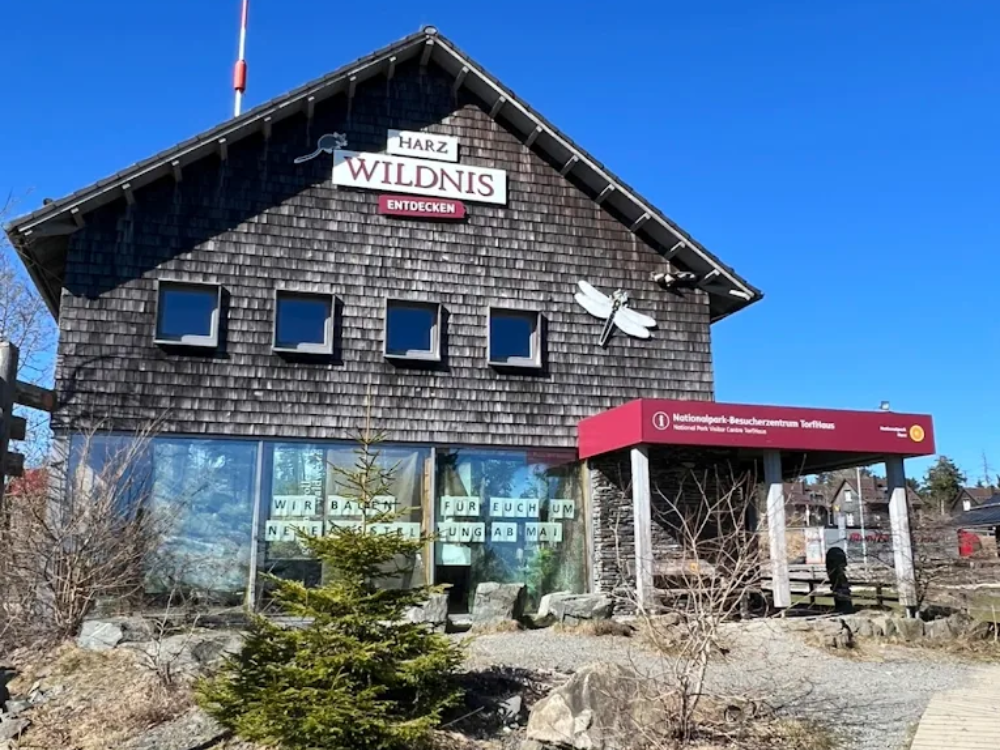
Nationalpark Besucherzentrum Torfhaus
- 13 min
- 1 hour, 3 min
- 2 hour, 56 min
Nationalpark Besucherzentrum Torfhaus is a modern visitor and information center in the heart of the Harz, right on the edge of the Harz National Park. The center serves as a starting point for walks, including towards the Brocken, and offers an interactive exhibition about nature, forests, raised bogs and the development of the national park. Visitors receive information about hiking routes, the landscape and the special natural processes in the Harz.
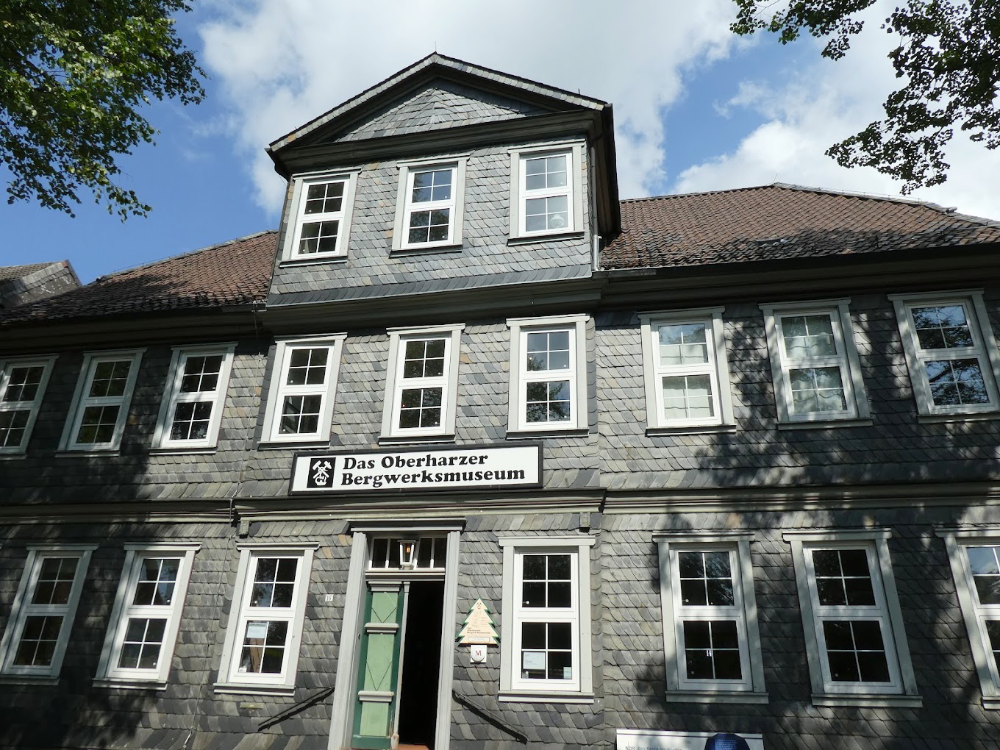
Oberharzer Bergwerksmuseum
- 27 min
- 2 hour, 8 min
The Oberharzer Bergwerksmuseum in Clausthal-Zellerfeld is one of the oldest mining museums in Germany and tells the story of centuries of ore mining in the Harz. Historical buildings display tools, models and other objects that show how miners lived and worked. A special part is the Schaubergwerk, where visitors can discover historic mining installations both above and below ground. The centuries-old Oberharzer Wasserwirtschaft, an important part of the UNESCO world heritage, is also extensively discussed in the museum.
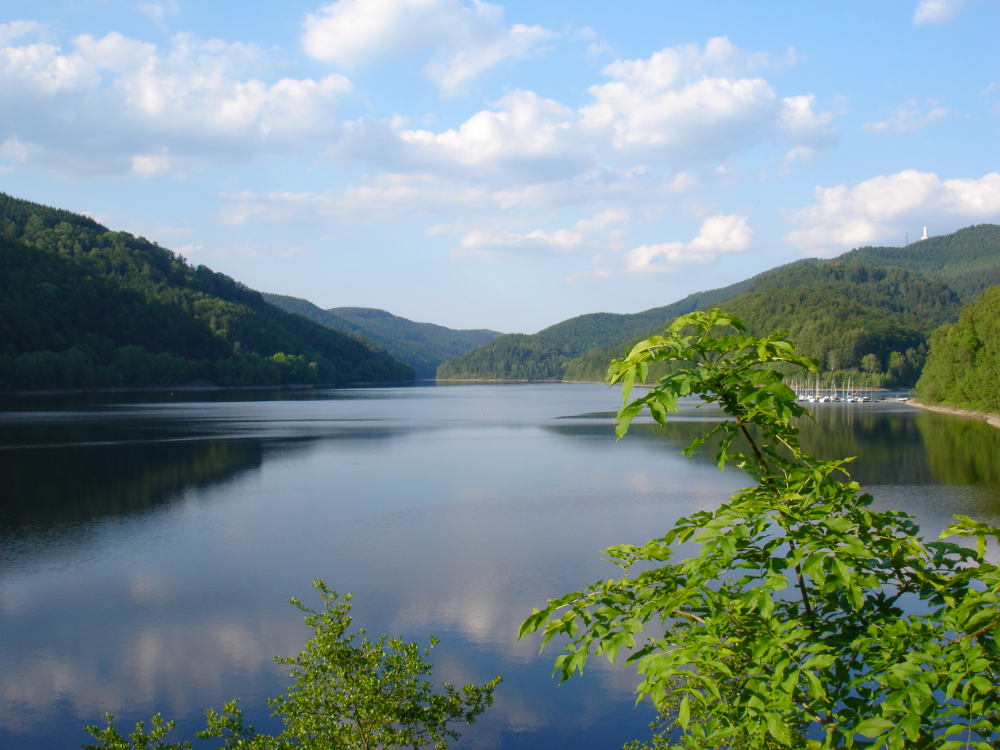
Odertalsperre
- 15 min
- 56 min
- 3 hour, 29 min
The Odertalsperre is a large reservoir in the south of the Harz, near Bad Lauterberg im Harz. The dam was constructed in the 1930s to regulate flooding and store drinking water. It is a quiet recreational area surrounded by forest, where visitors can walk, cycle and enjoy the view over the water and the hilly surroundings. Thanks to the combination of nature and water management, the Odertalsperre is a popular place for relaxation in the Harz.
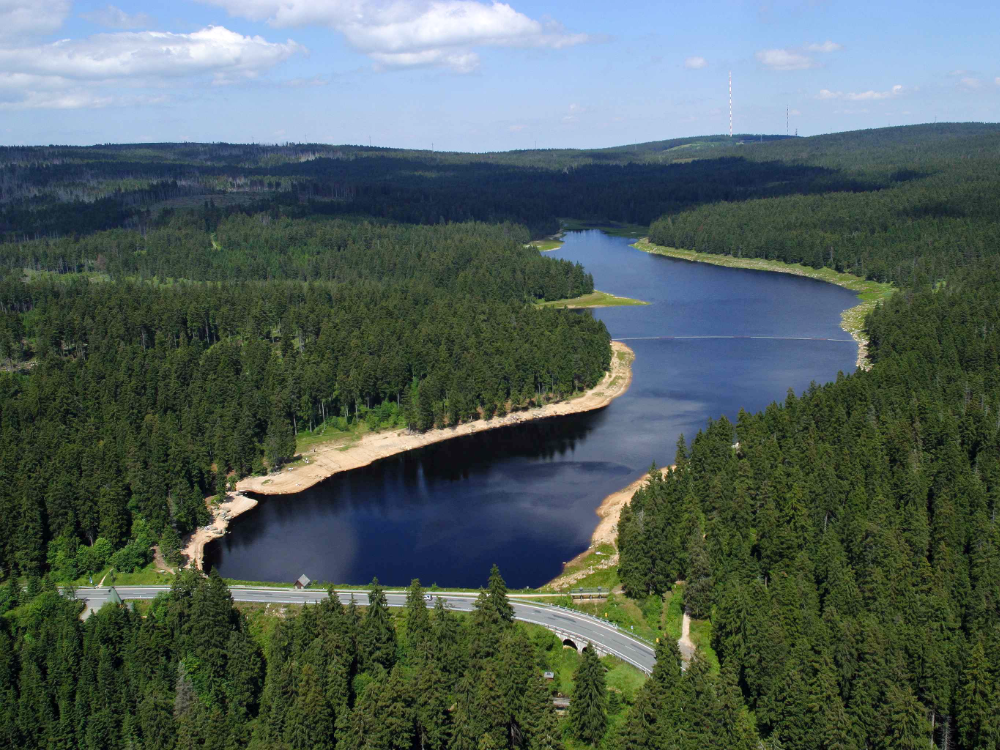
Oderteich
- 10 min
- 41 min
- 2 hour, 3 min
The Oderteich is a historic reservoir in the Harz National Park and one of the oldest existing dam lakes in Germany, constructed in the 17th century to supply water for mining in the region. Today it is a quiet nature reserve with dark peat waters, surrounded by forests and well-maintained hiking trails. The area is popular with hikers and nature lovers because of its quiet, almost unspoilt atmosphere and the unique combination of technical history and nature.
Okertalsperre
- 27 min
- 1 hour, 34 min
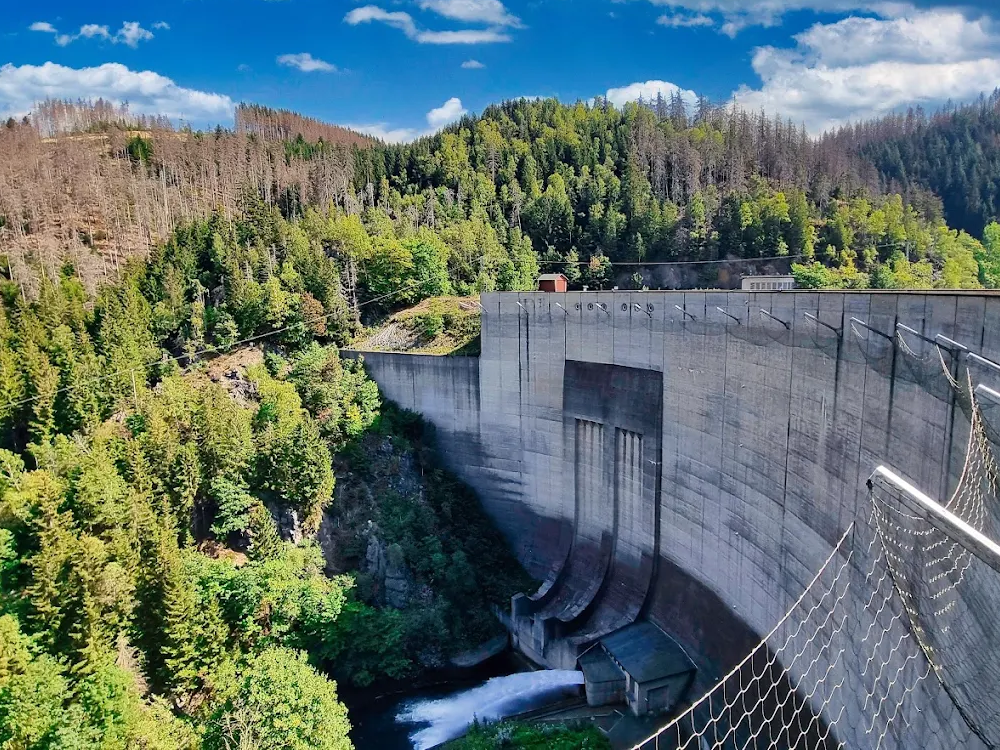
The Okertalsperre is a large reservoir in the western part of the Harz, near Altenau. The dam was built in the 1950s on the Oker River to prevent flooding, store drinking water and generate energy. Today it is a popular recreational area with waterside walks, viewpoints and boat trips during the summer season. The impressive sheet pile wall and the surrounding wooded hills make the Okertalsperre one of the most famous reservoirs in the Harz.
Pullman City Harz
- 23 min
- 1 hour, 22 min
- 4 hour, 38 min
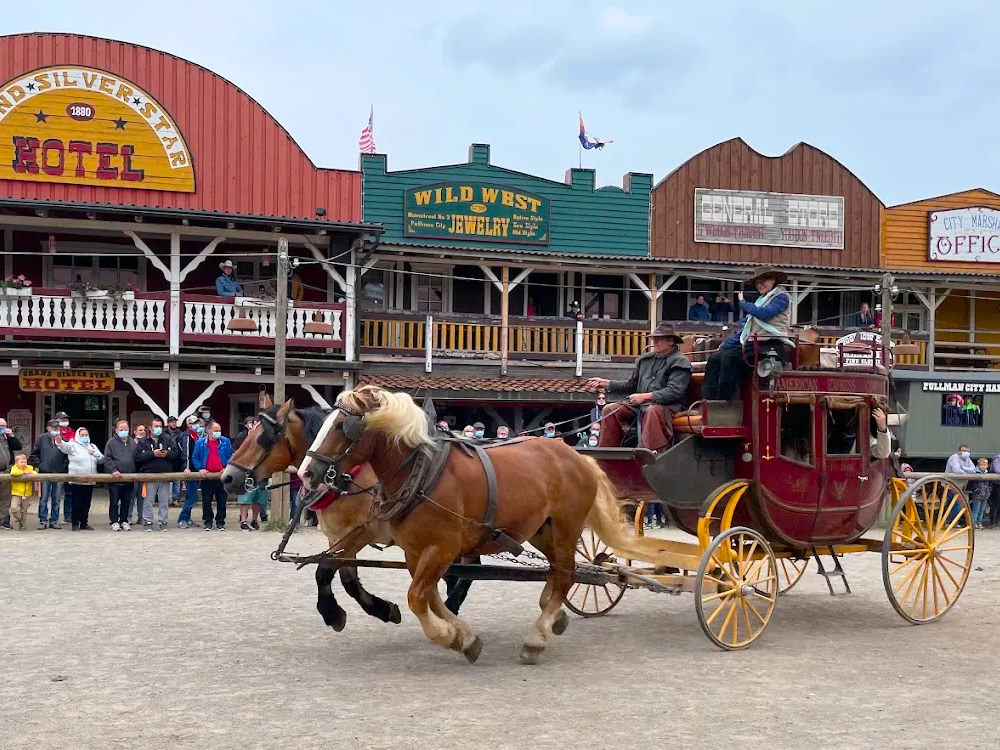
Pullman City Harz is a Western theme park in the Harz, near Hasselfelde. The park is set up as a recreated 'Old West' town, complete with wooden saloons, cowboy shows, horses and themed events. Visitors can experience the Wild West with live demonstrations, music, crafts and activities for the whole family. Thanks to the combination of entertainment and thematic experience, Pullman City Harz is a popular attraction for families and tourists in the Harz.
Radau Wasserfall
- 19 min
- 1 hour, 19 min
- 4 hour, 22 min
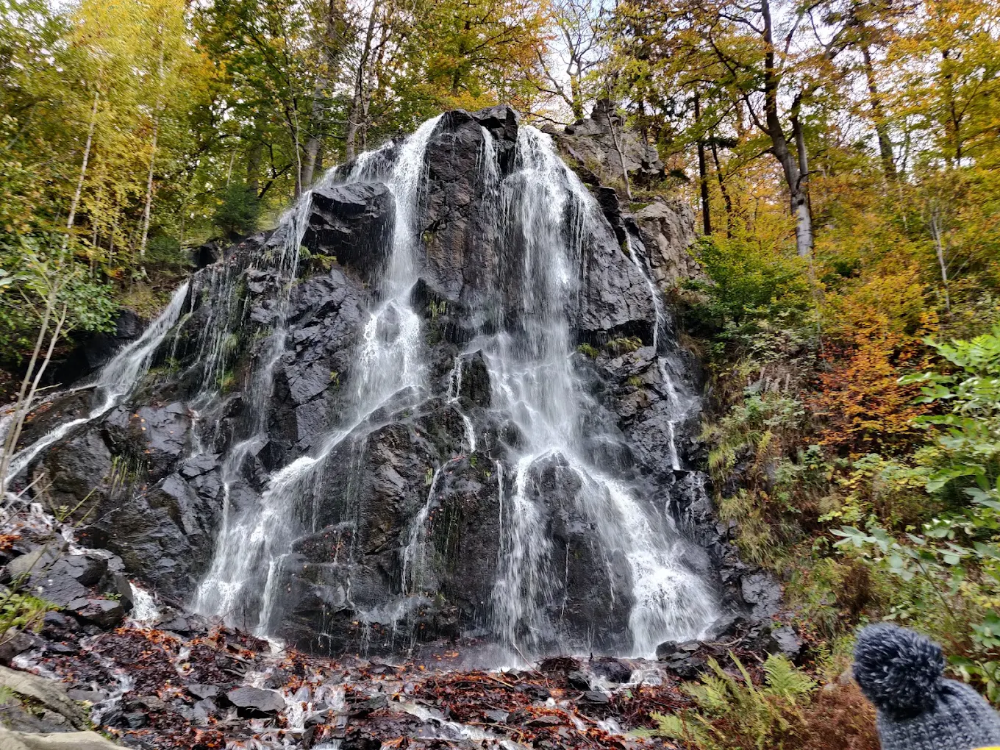
The Radau Wasserfall is a natural waterfall in the Harz, near Bad Harzburg. The Radaubach plunges down here in several steps over a height of 23 meters, surrounded by wooded slopes. The waterfall is easily accessible from the road and is a popular stop for visitors exploring the Harz Mountains. Thanks to the combination of nature, the sound of flowing water and hiking trails, it is a popular place for a short break or walk in the area.
Rappbodetalsperre
- 39 min
- 1 hour, 13 min
- 4 hour, 48 min
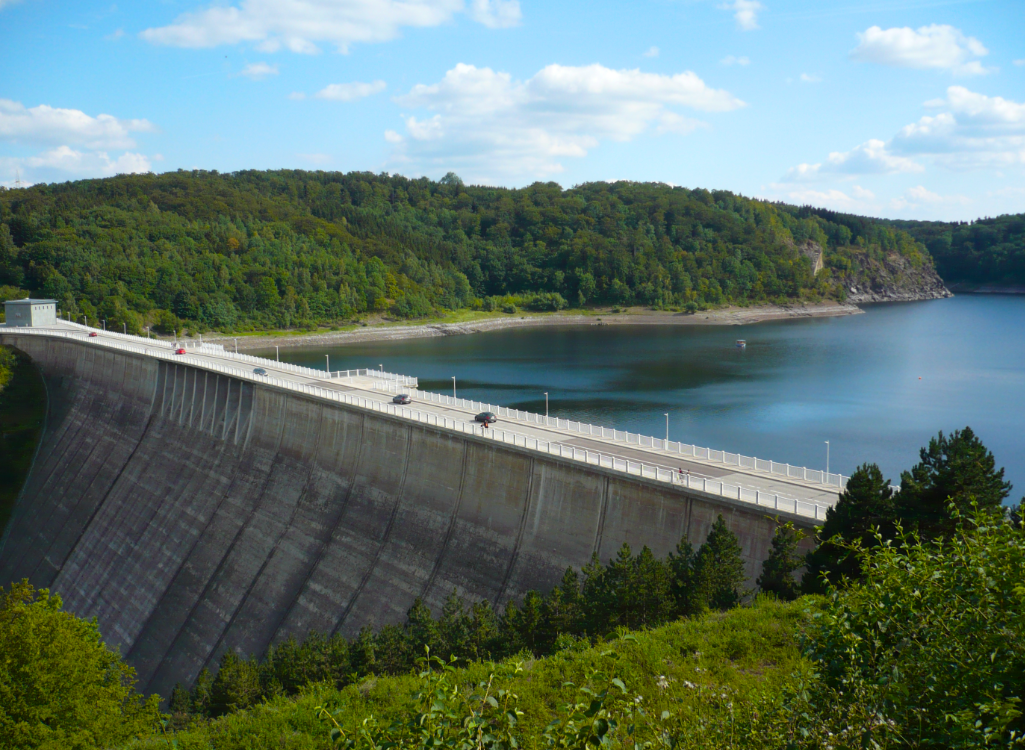
The Rappbodetalsperre is the highest dam in Germany and is located in the east of the Harz, near Rübeland. The dam was constructed in the 1950s on the Rappbode River for water storage, drinking water supply and hydropower. Today the area is a popular tourist attraction with impressive views over the reservoir and surrounding valleys. The dam is also home to the famous Titan RT suspension bridge, one of the longest pedestrian suspension bridges in the world, making the location extra attractive for visitors.
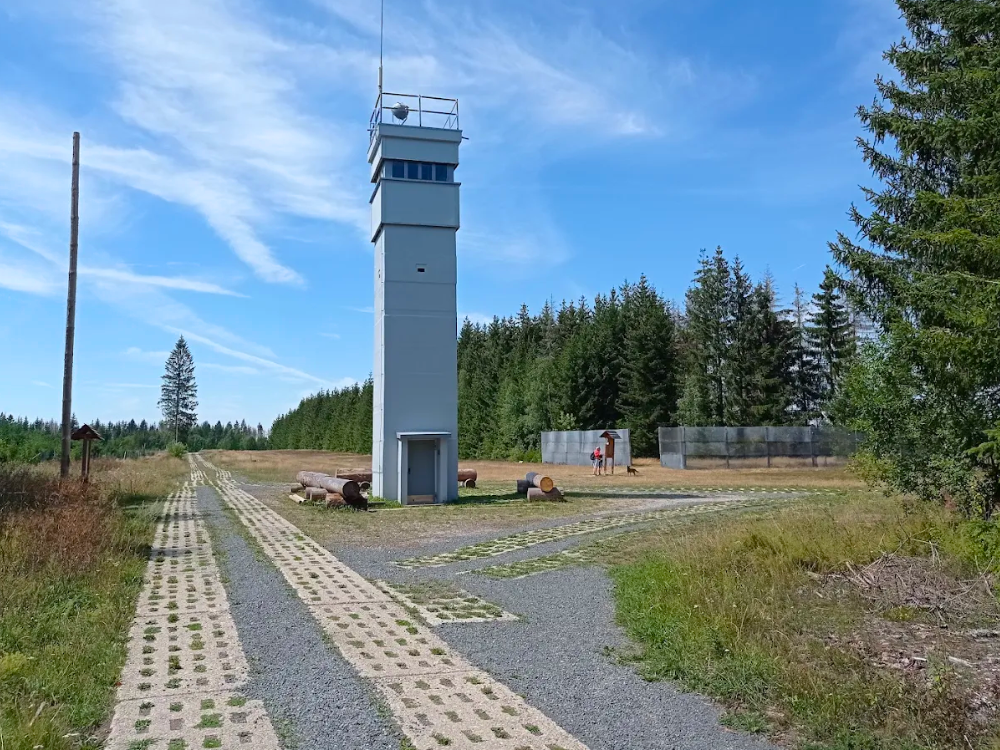
Ring der Erinnerung
- 16 min
- 31 min
- 1 hour, 49 min
In 1993, landscape artist Hermann Prigann created a circular embankment of stacked dead tree trunks for this natural monument. The ring, with a diameter of 70 meters, is located directly on the former 'death zone', with the old border between West and East Germany running right through the middle. The Ring der Erinnerung is a memorial site, designed as a symbolic ring-shaped route that commemorates historical events.
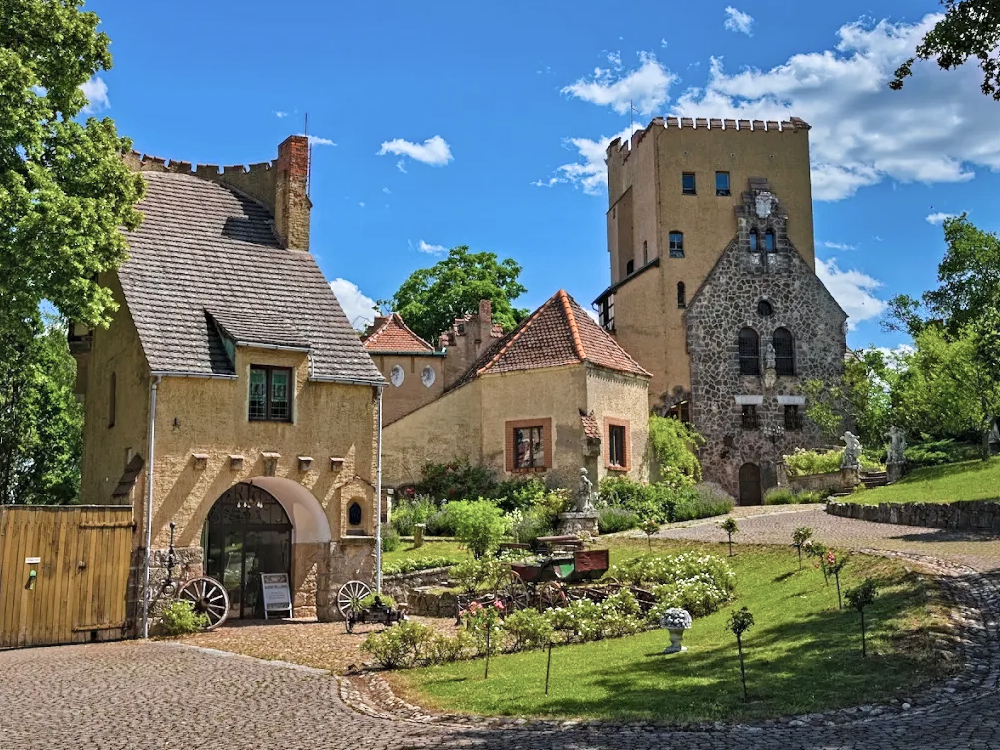
Schloss Roseburg
- 55 min
- 2 hour, 43 min
Schloss Roseburg is a romantic castle ensemble in the eastern Harz foreland, between Rieder and Ballenstedt. It was designed in the early 20th century by architect Bernhard Sehring as a historic castle with towers, walls and a chapel, built on and around the remains of an older medieval castle. What makes the Roseburg especially special is the extensive landscaped garden, in which Italian and English garden ideas come together with water features, statues, caves and viewpoints. The whole is an almost fairytale-like mix of architecture, art and nature.
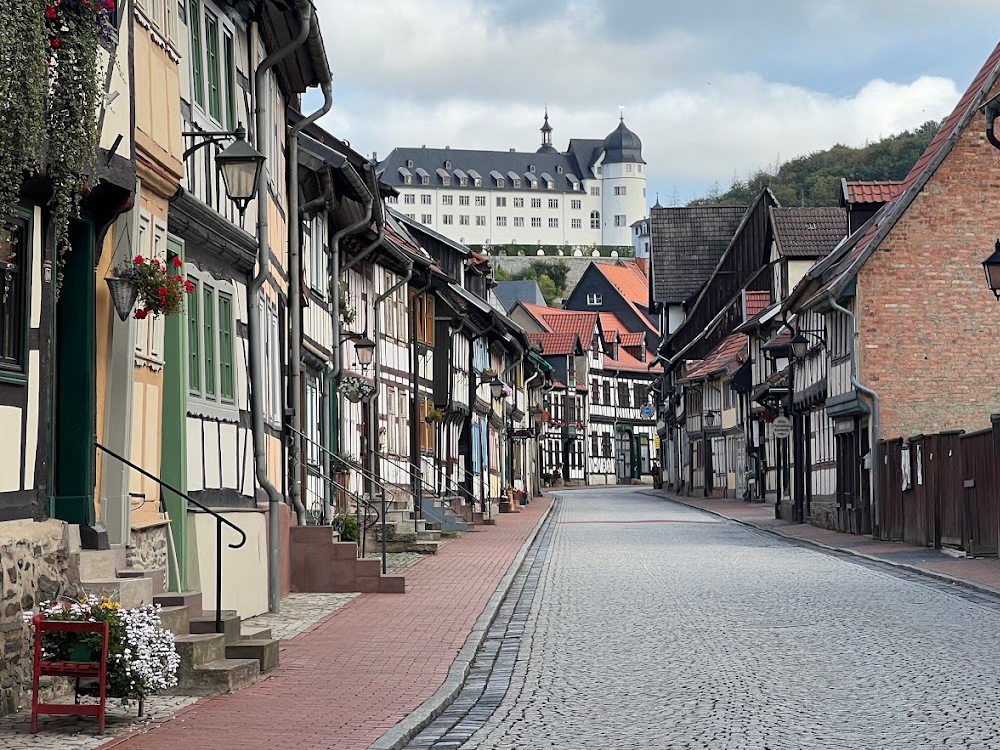
Schloss Stolberg
- 45 min
- 2 hour, 13 min
Schloss Stolberg is located on a hill above the attractive half-timbered town of Stolberg. The medieval castle was expanded over the centuries and mainly acquired Renaissance and Baroque elements. With its historic rooms, beautiful courtyard and picturesque location, it is one of the most striking sights in the region. From the castle you also have a beautiful view of the town and the wooded hills of the Harz.
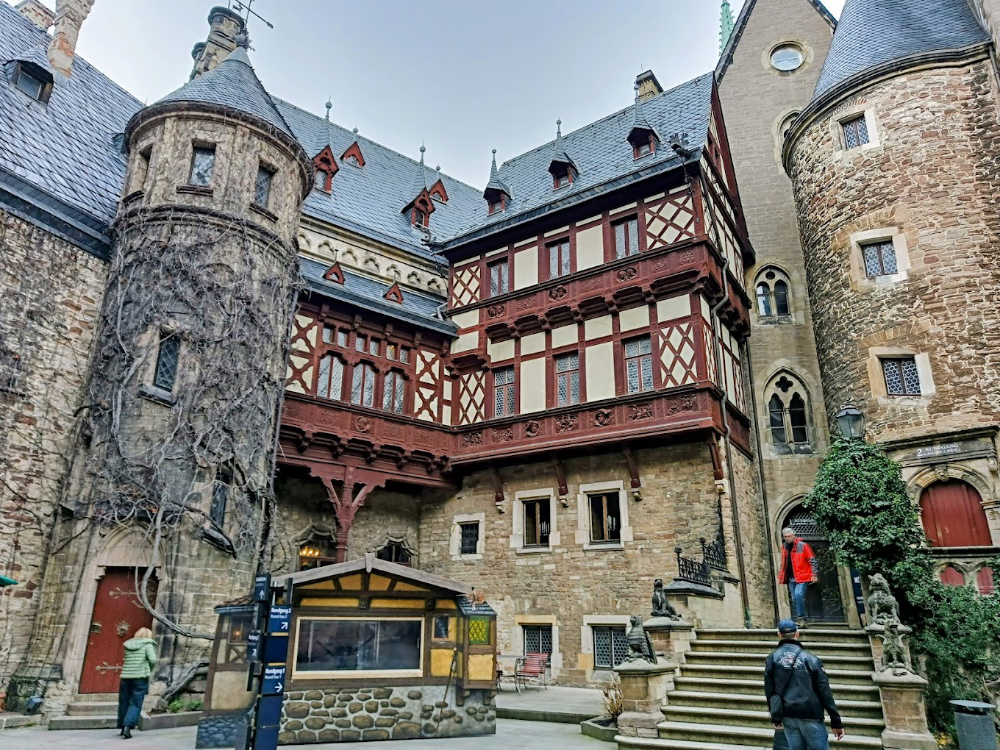
Schloss Wernigerode
- 40 min
- 1 hour, 29 min
Schloss Wernigerode is an impressive castle located high above the town of Wernigerode. The castle is surrounded by green forests and offers beautiful views of the city and the surrounding landscape from the hill. The castle was originally built in the Middle Ages as a fortress, but over the centuries it was expanded and renovated several times. Especially in the 19th century, Schloss Wernigerode acquired its current, romantic appearance with graceful towers, facades and richly decorated details. Nowadays the castle is open to visitors and several historic rooms can be visited. The combination of the fairytale architecture, the rich history and the special location makes Schloss Wernigerode one of the most famous sights in the Harz.
Silberteich
- 11 min
- 16 min
- 44 min
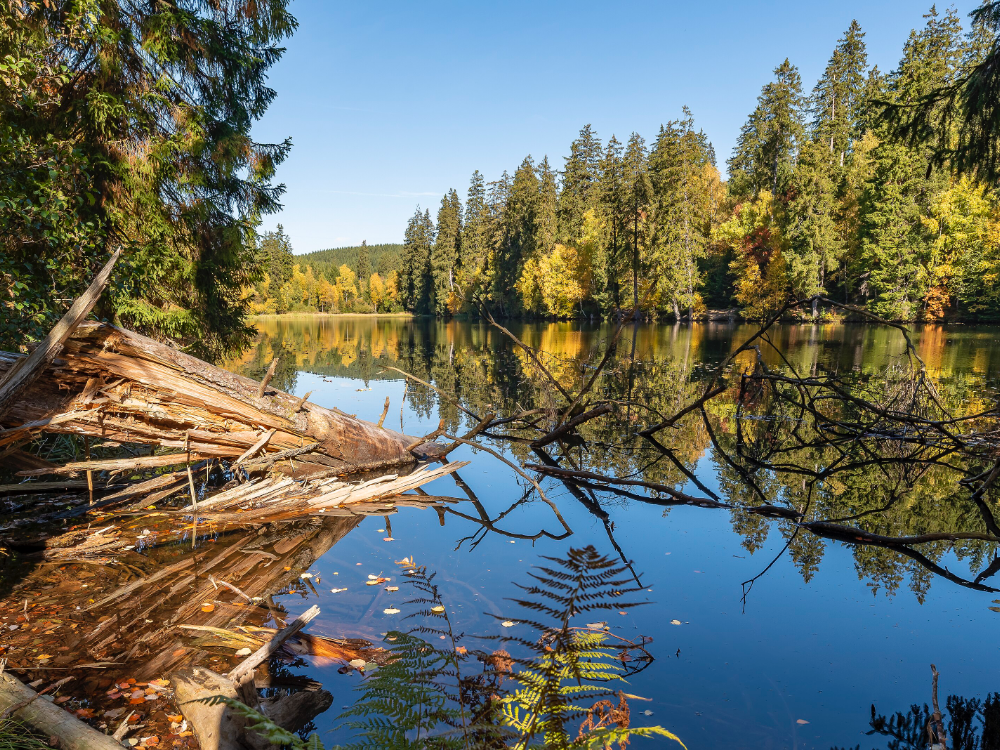
The Silberteich is a historic reservoir in the western part of the Harz, near Braunlage and Sankt Andreasberg. It was constructed in the 17th and 18th centuries as part of water management for mining in the region. Today it is a quiet nature reserve with wooded hiking trails and a picturesque lake, where visitors can enjoy silence, nature and a piece of mining history. The Silberteich is popular as a hiking destination in the area around Braunlage and Sankt Andreasberg.
Spengler Museum
- 1 hour, 11 min
- 3 hour, 40 min
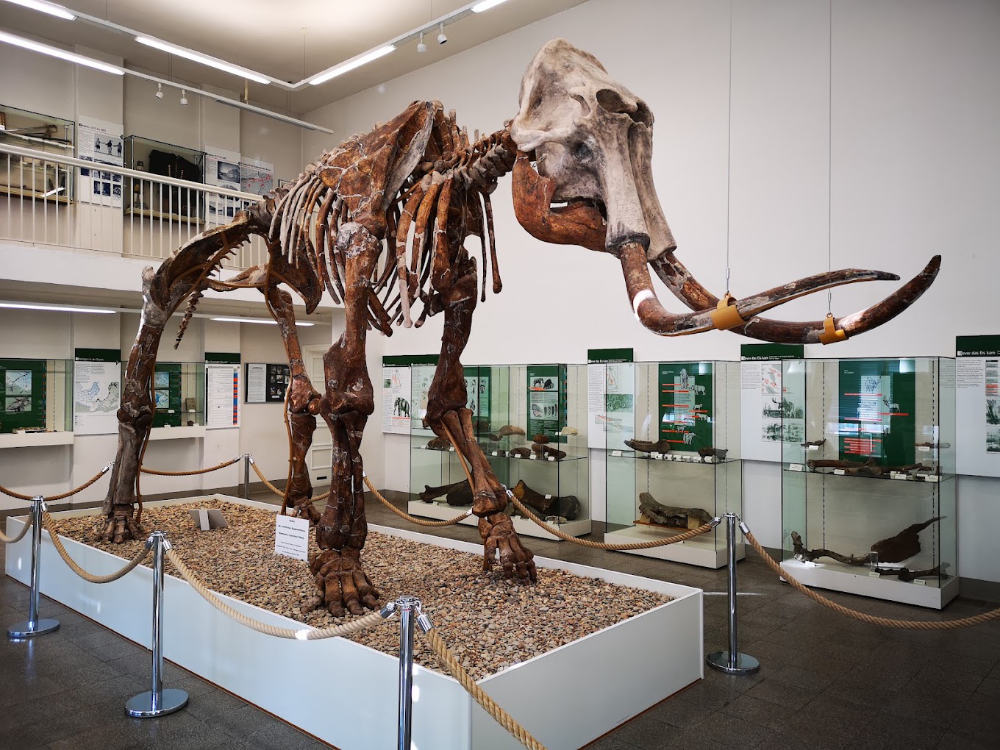
The Spengler Museum in Sangerhausen is a versatile regional museum about the nature and history of the city and surroundings. The collection covers geology, mining, prehistory, the ice age and the development of Sangerhausen. The biggest eye-catcher is the almost complete skeleton of a steppe mammoth, which was excavated near Edersleben in the 1930s by local researcher Gustav Adolf Spengler. The historic city model of Sangerhausen and the lifelike dioramas with animals and plants from the region are also interesting to view.
Stadtpark Bad Harzburg
- 25 min
- 1 hour, 34 min
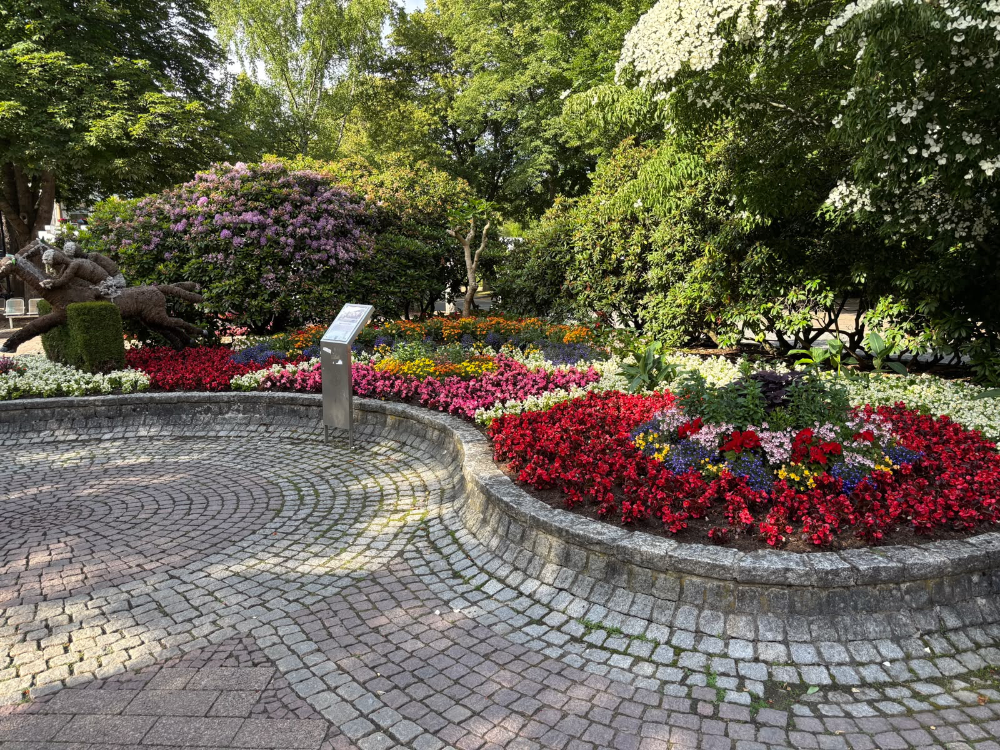
Stadtpark Bad Harzburg is a centrally located city park in the spa town of Bad Harzburg, on the edge of the Harz. The park offers a peaceful green environment with walking paths, ponds and flower beds, ideal for relaxing in the city. Thanks to its location near the center and spa facilities, it is a popular place for both residents and visitors to take a walk or relax. The Stadtpark forms a connection between the city and the surrounding nature of the Harz.
Titan RT
- 39 min
- 1 hour, 13 min
- 4 hour, 48 min
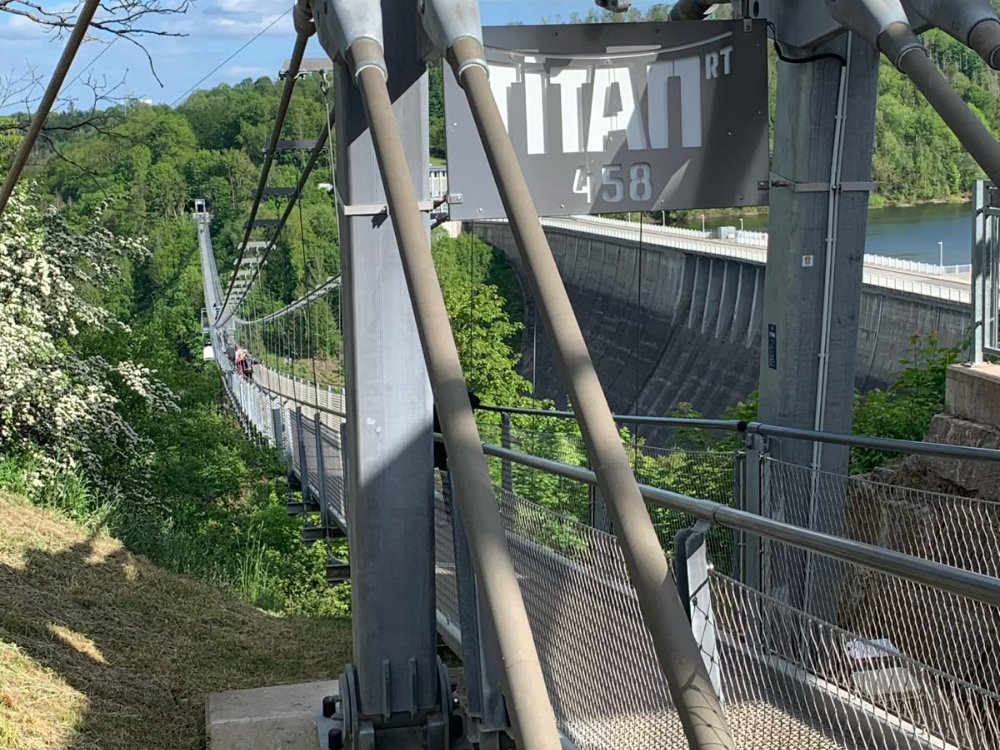
Titan RT is a spectacular pedestrian suspension bridge at the Rappbodetalsperre and is one of the longest suspension bridges in the world. The bridge hangs high above the Bodetal and offers an impressive view of the reservoir, the forests and the rocky gorges of the Harz. For adventurous visitors there is also the opportunity to go zip lining or do other adrenaline activities in the immediate area. Thanks to the combination of technology, height and landscape, Titan RT is one of the most striking attractions in the Harz.
Welt Wald Harz
- 38 min
- 2 hour, 54 min
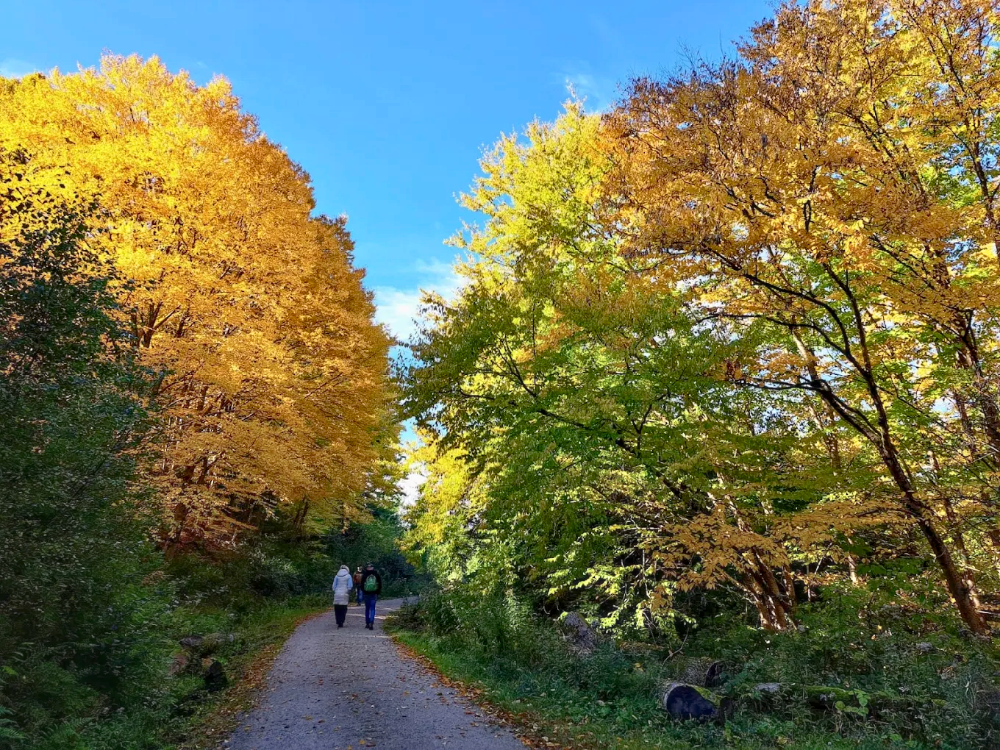
Welt Wald Harz is an arboretum and nature park near Bad Grund in the Harz. This world forest is home to tree and plant species from different continents, which are planted in thematic zones. Visitors can walk through forests via hiking trails that show, for example, North American, Asian and European vegetation. The park combines nature experience with education and shows how different ecosystems function. Thanks to its quiet location and varied landscapes, Welt Wald Harz is a popular place for hikers and nature lovers.
Wildkatzen Erlebniszentrum Bad Harzburg
- 17 min
- 1 hour, 18 min
- 3 hour, 51 min
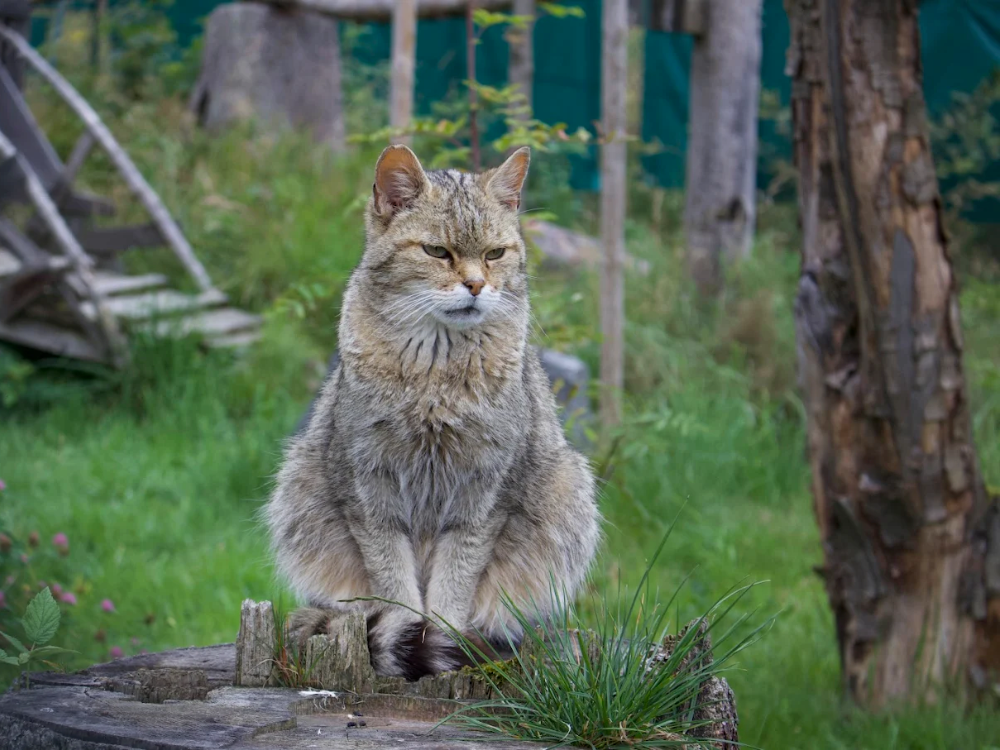
Wildkatzen Erlebniszentrum Bad Harzburg is a nature and education center on the edge of the Harz National Park, near the Marienteichbaude. The center is dedicated to the wild European wildcat and combines a spacious wildcat enclosure with an interactive exhibition. Visitors can view the animals from a viewing platform and observation towers, especially during regular feeding times when the cats are clearly visible. In the exhibition you will learn more about their behavior, habitat and the reintroduction and protection of the species in the Harz.
Zisterzienser Museum Kloster Walkenried
- 24 min
- 58 min
- 3 hour, 55 min
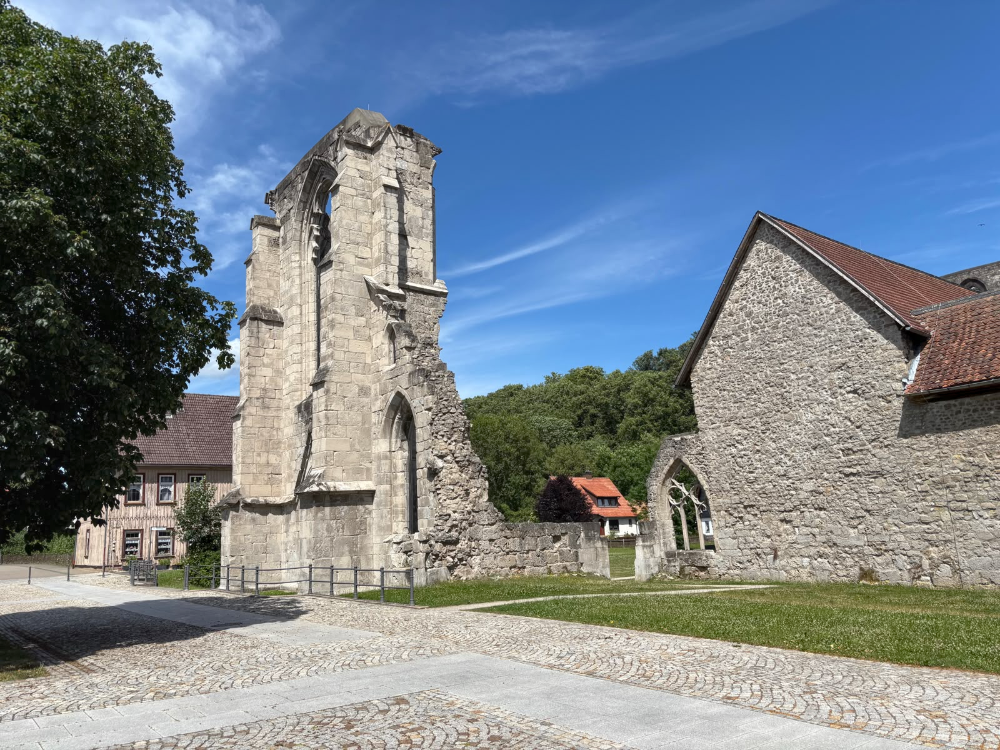
The Zisterzienser Museum Kloster Walkenried is a museum located in a medieval monastery complex in the southern Harz, which was originally founded by the Cistercians in the 12th century. The museum shows in a modern and interactive way the life of the monks who lived and worked here according to the motto "ora et labora" (pray and work). Visitors can walk through the well-preserved monastery rooms and discover how the monastery grew into an important economic and cultural center in the Middle Ages. Today the complex is part of the UNESCO World Heritage Site 'Oberharzer Wasserwirtschaft and Kloster Walkenried' and is one of the most important cultural attractions in the Harz.