- Modernly furnished
- Spacious bathroom
- Balcony
- Elevator
- Free parking
- In nature reserve
Mountains & caves
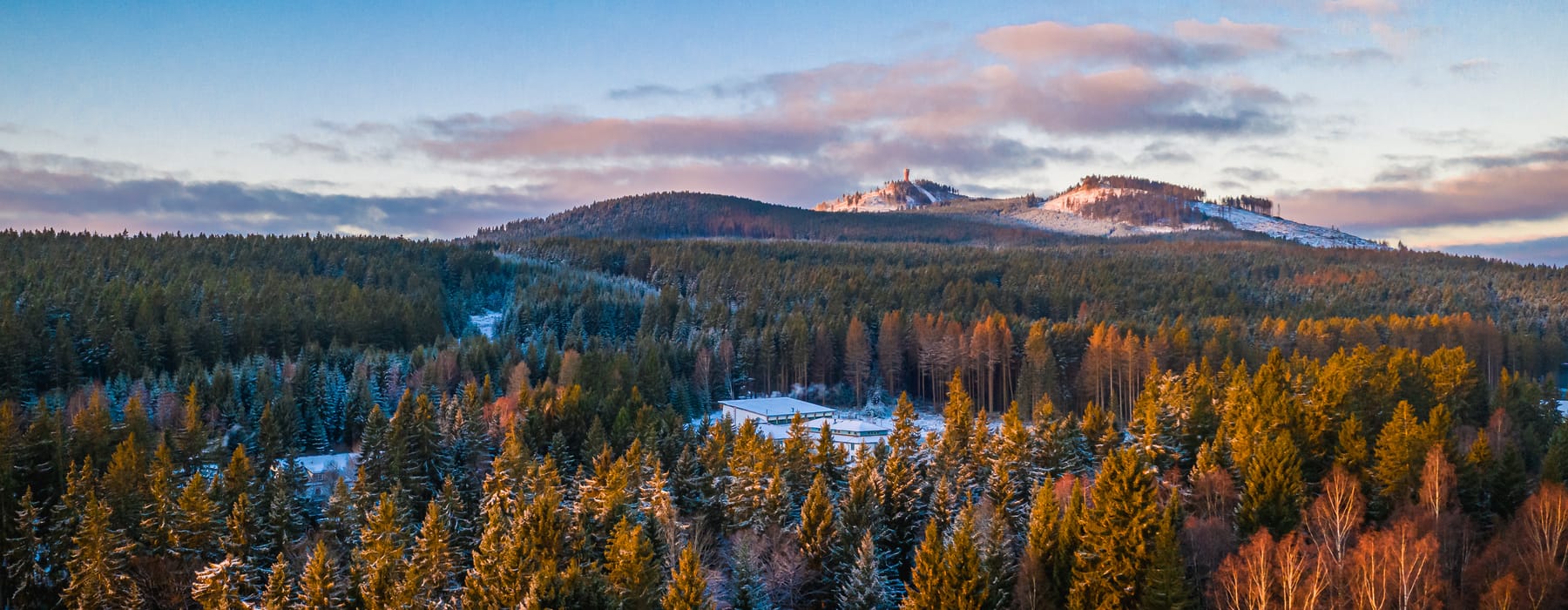
The Harz is the highest mountain range in Northern Germany, forming an impressive landscape of dense forests, steep valleys, and mystical high plateaus. The region's highest peak, the Brocken, is an iconic mountain renowned for legends surrounding witches and Walpurgis Night. The range owes its character to geological processes spanning millions of years, during which granite, slate, and quartzite were shaped and uplifted over time. Beneath this mountainous surface lies a completely different world consisting of numerous caves and karst formations. Many of these underground features were carved into gypsum-bearing rock or limestone, creating magnificent dripstone caves over the centuries. Well-known examples include the Baumannshöhle and the Iberg Dripstone Cave; beyond their geological beauty, they are rich in ancient fossils and local myths. Additionally, the Harz is home to unique sandstone caves - such as the Büchenberg Show Mine and the famous Einhornhöhle (Unicorn Cave) - where bones of extinct Ice Age animals have been discovered.
Achtermannshöhe
- 14 min
- 53 min
- 1 hour, 49 min
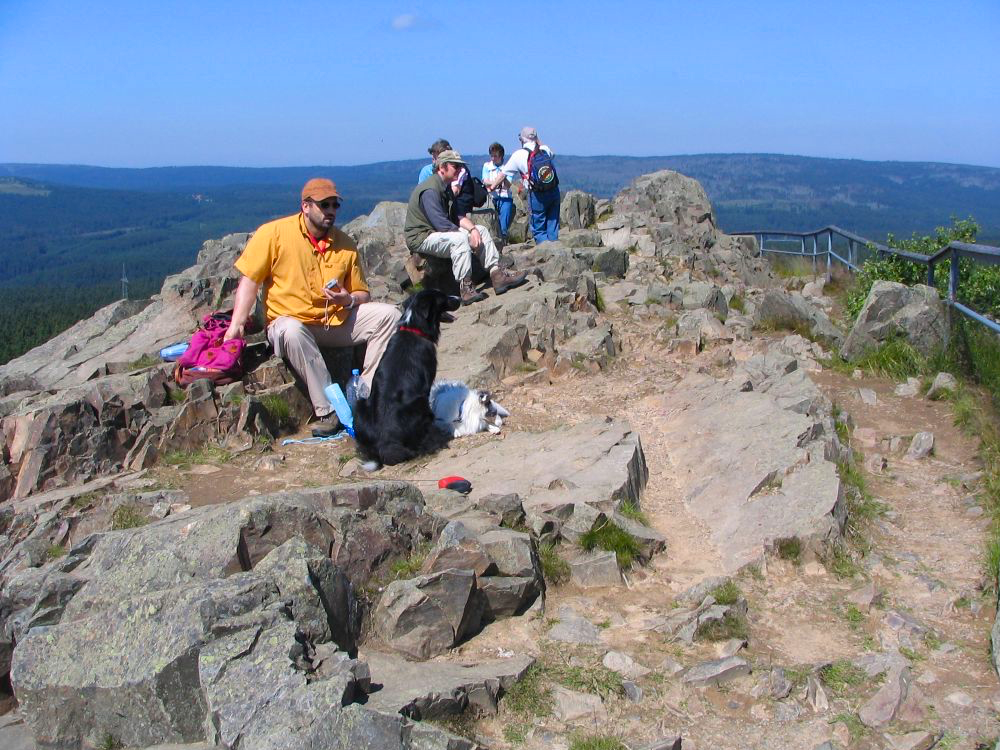
The Achtermannshöhe (often simply called 'Achtermann') is a striking mountain in the Harz Mountains. With a height of 925 meters, it is one of the highest peaks in northern Germany. The mountain is known for its rugged, rocky peak that rises above the tree line and therefore offers an unobstructed view of large parts of the Harz, including the Brocken and the Wurmberg. Its exposed location makes it a popular hiking destination with an impressive 360° panorama. The Achtermannshöhe is located between Braunlage and Torfhaus and is easily accessible via several hiking trails.
Barbarossahöhle
- 1 hour, 8 min
- 3 hour, 15 min
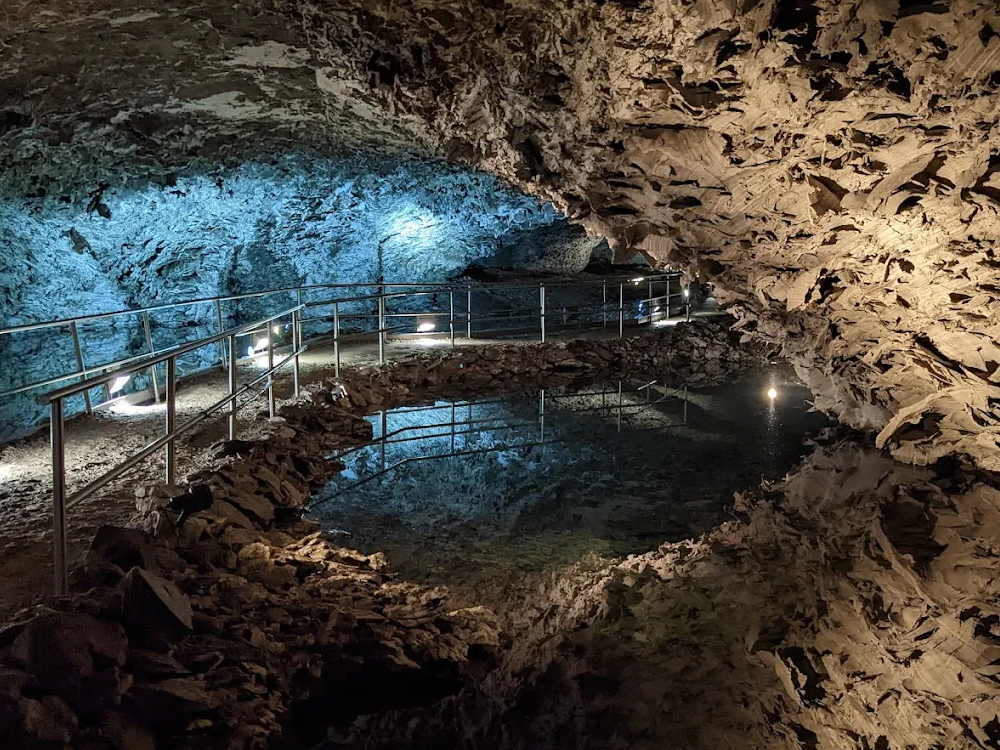
The Barbarossahöhle in Rottleben is an impressive show cave in anhydrite rock. The cave is special because it is one of the few accessible caves of this type worldwide, with large halls, crystal clear blue-green lakes and striking plaster formations hanging from the ceiling. The cave was discovered in 1865 and opened to visitors shortly afterwards. During a guided tour you walk through an underground world full of special rock structures and legends surrounding Emperor Barbarossa, who, according to myth, slept in the Kyffhäuserberg.
Baumannshöhle
- 23 min
- 1 hour, 7 min
- 4 hour, 21 min
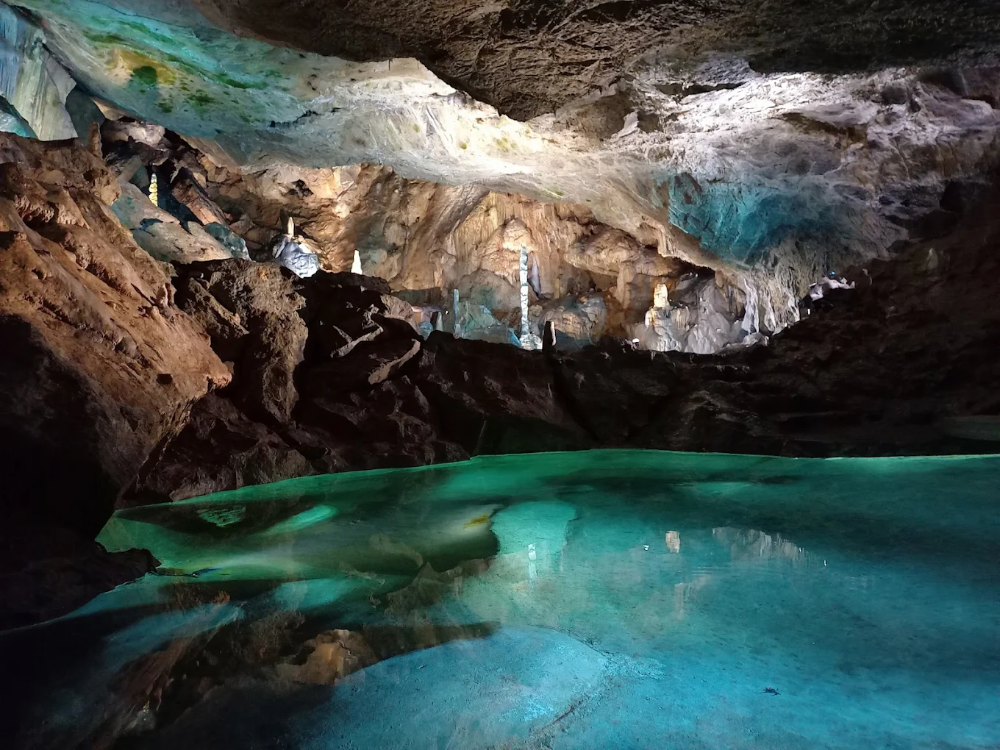
The Baumannshöhle is a famous stalactite cave in Rübeland in the Harz Mountains and is known as the oldest show cave in the country, which can be visited since the 17th century. During a guided tour you will walk through impressive underground halls, including the large Goethe Hall, and past special stalactites and stalagmites. The Baumannshöhle offers a fairytale underground world and is one of the most famous natural attractions in the Harz.
Berg Erlebniswelt Wurmberg
- 16 min
- 56 min
- 1 hour, 30 min
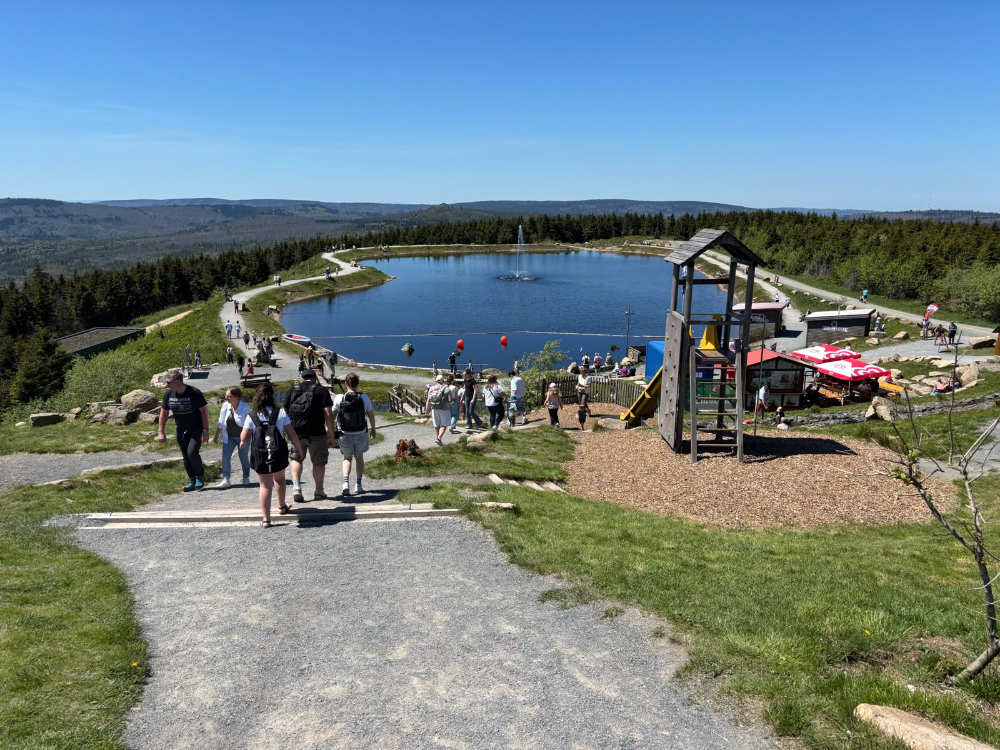
Berg Erlebniswelt Wurmberg in Braunlage is a freely accessible play and experience world on the top of the Wurmberg, the highest mountain in northern Germany. The area is specially designed for families and children, including water and play elements, an adventure course, a small animal meadow and a long marble track. Visitors can play, discover and be active in the outdoors, while at the same time enjoying the view over the Harz Mountains. The Berg Erlebniswelt is part of the larger recreational area around the Wurmberg and is a popular family destination in both summer and winter.
Bergbaumuseum Lautenthals Glück
- 40 min
- 2 hour, 46 min
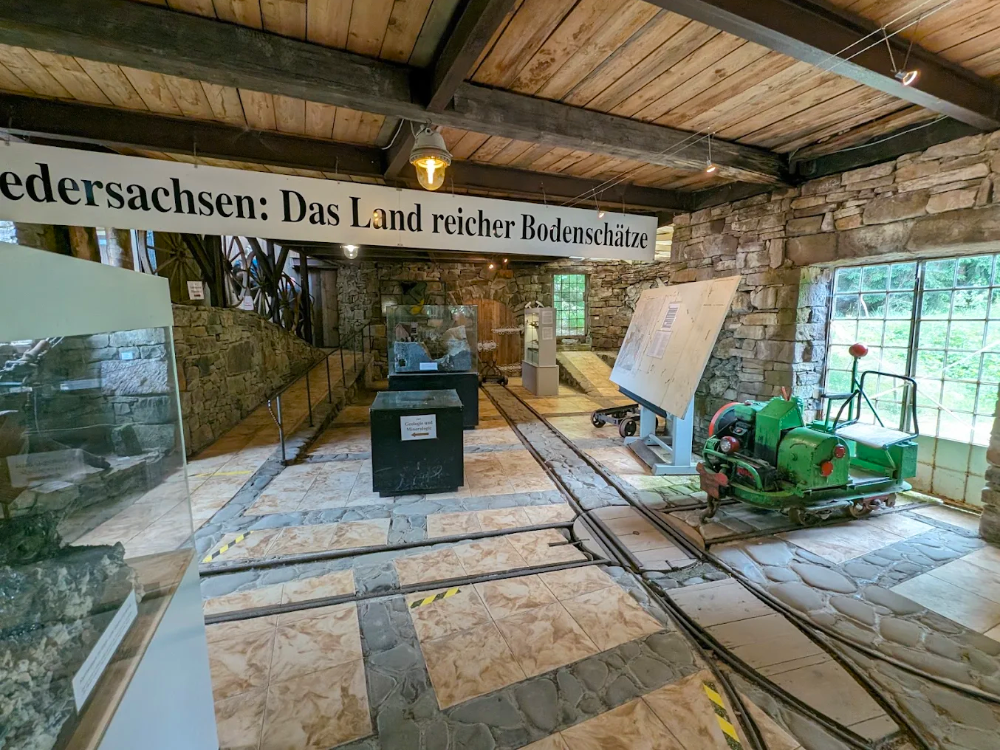
The Bergbaumuseum Lautenthals Glück is a historic visitor mine and museum where the old silver ore mining comes to life. Visitors go underground on a Grubenbaan (mine tram) and discover how miners used to work in the narrow corridors. One of the highlights is the underground 'Erzschifffahrt', a boat trip through an old waterway, with which you literally sail through the mine as the ore freight used to be transported. The museum not only shows mining technology, but also the daily life and traditions of the workers.
Bocksberg
- 1 hour, 14 min
- 2 hour, 38 min
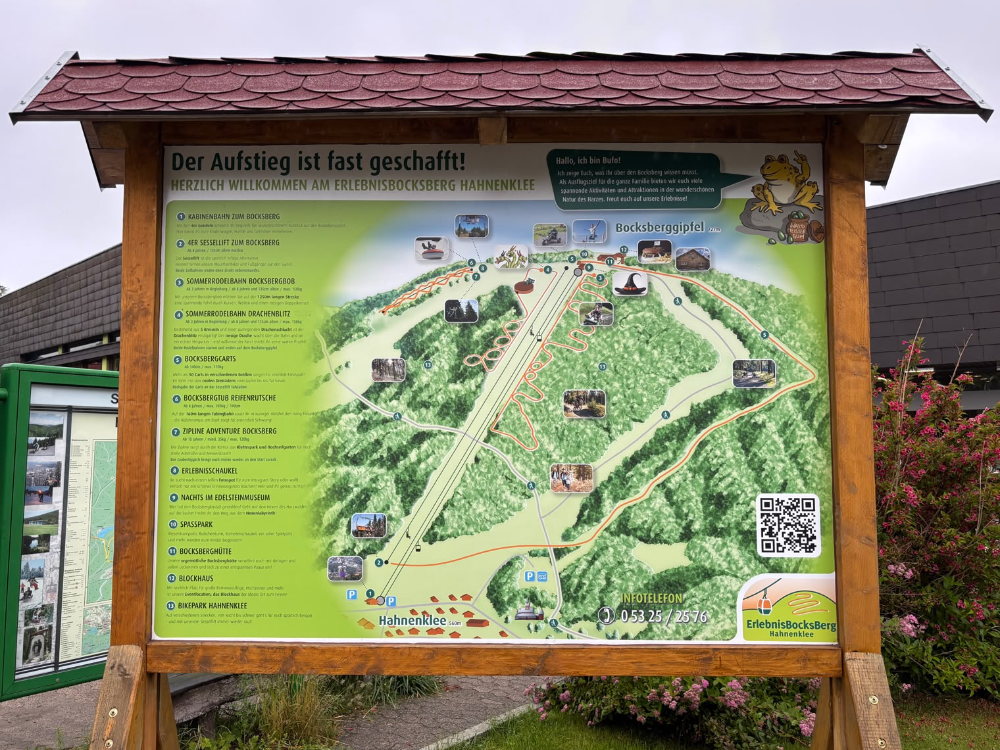
The Bocksberg, near the spa town of Hahnenklee, is located at an altitude of 726 meters. The mountain is a popular recreational area that attracts many visitors in both summer and winter. On top of the Bocksberg you will find a viewing tower, mountain restaurant and various attractions such as a cable car, mountain bike trail and in winter ski slopes and toboggan runs. Thanks to the combination of nature, views and recreation, the Bocksberg is a popular destination for hikers, families and winter sports enthusiasts in the Harz.
Brocken
- 54 min
- 1 hour, 24 min
- 3 hour, 23 min
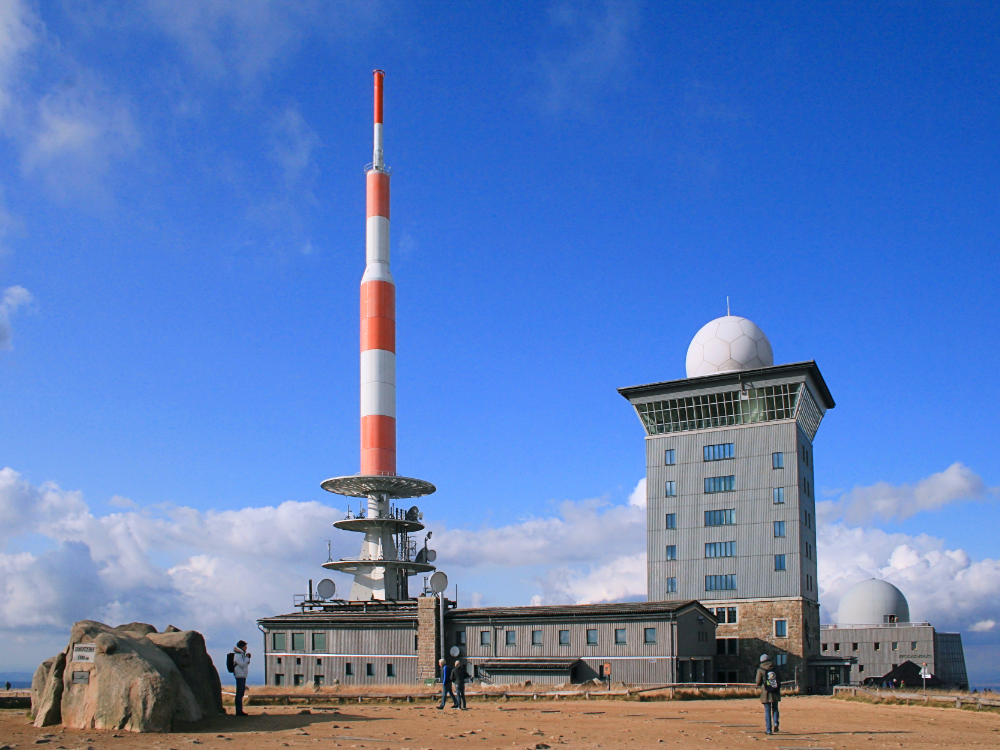
At 1,141 meters, the Brocken is the highest mountain in the Harz Mountains and northern Germany. The summit is located in the Harz National Park and is known for its rugged nature, often misty and mysterious atmosphere and, in clear weather, sweeping views over large parts of Germany. The mountain is accessible via hiking trails and the historic Brockenbahn, a steam train that takes visitors to the summit from Wernigerode. Due to its unique climate and rich history, the Brocken is one of the best-known and most visited nature reserves in the Harz.
Burgberg Seilbahn
- 21 min
- 1 hour, 25 min
- 4 hour, 49 min
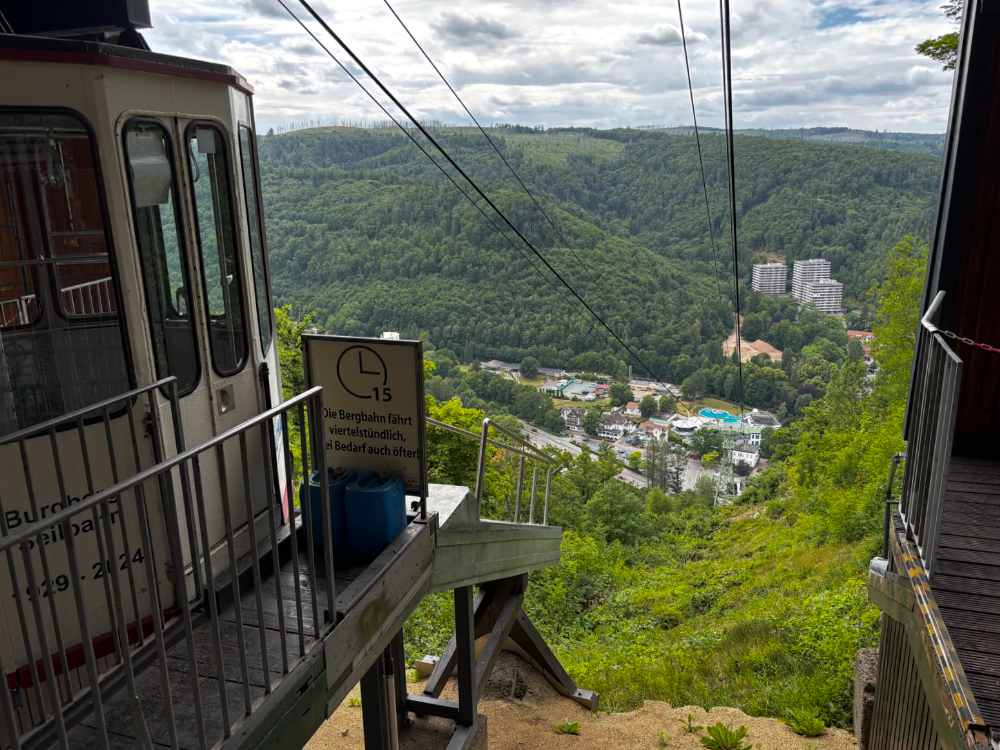
The Burgberg Seilbahn in Bad Harzburg is a historic cable car that takes visitors to the top of the Große Burgberg (483 meters) in just a few minutes. The gondolas float above the forests of the Harz National Park and offer beautiful views of Bad Harzburg and the surrounding mountains along the way. Once you reach the top, you have a panoramic view and you can walk past sights such as the ruins of the Harzburg, viewpoints and various walking routes to the nature reserves around the city. The Burgberg Seilbahn has been around since 1929.
Einhornhöhle
- 33 min
- 1 hour, 36 min
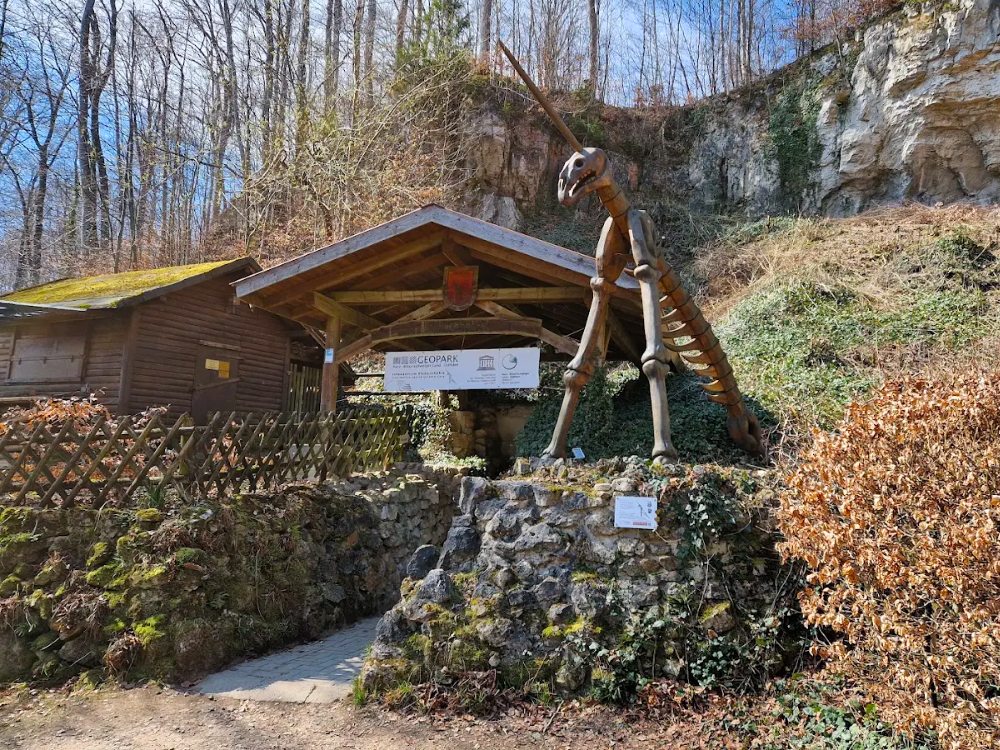
The Einhornhöhle is a worth-seeing karst cave near Scharzfeld (between Herzberg and Bad Lauterberg) and the largest accessible cave in the western part of the Harz Mountains. The cave is known for its underground halls, narrow corridors and special limestone formations. In the past, bones believed to be 'unicorn remains' were found here, giving the cave its mythical name. Today, the Einhornhöhle is a popular show cave where visitors experience a mix of nature, geology and age-old legends on guided tours, including stories about Neanderthals and Ice Age animals.
Großer Knollen
- 45 min
- 1 hour, 57 min
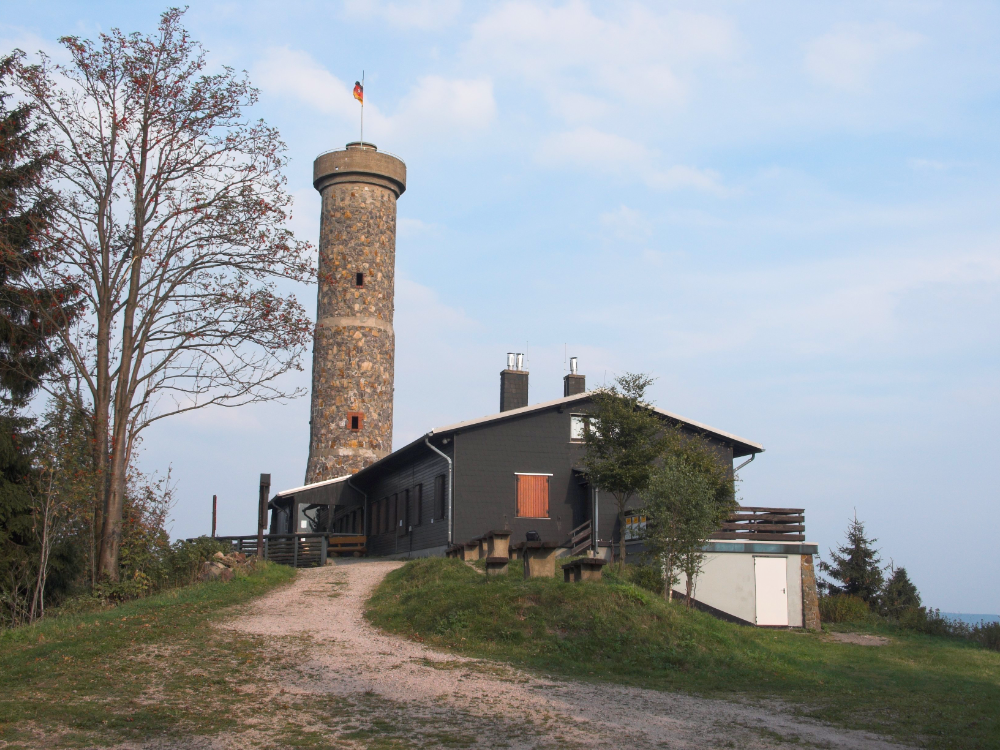
The Großer Knollen is a mountain in the southwestern Harz Mountains near Sieber (between Herzberg and Bad Lauterberg) with a height of 687 meters. The mountain is an old volcanic massif (porphyry) and is located in the middle of a wooded hiking area. At the top there is a lookout tower (Knollenturm) with a mountain restaurant, from where in clear weather you have a wide view of the Harz, the Weserbergland and even towards Thuringia. The Großer Knollen is popular as a hiking destination and part of long-distance routes such as the Harzer Baudensteig and the Harzer Wandernadel.
Hermannshöhle
- 23 min
- 1 hour, 9 min
- 4 hour, 28 min
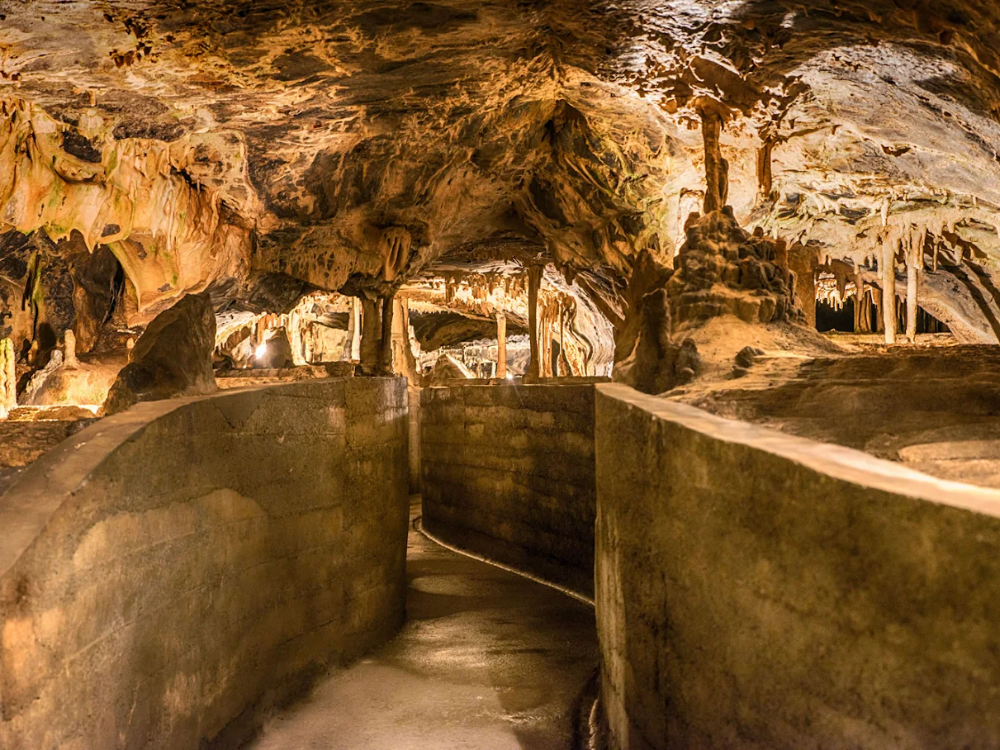
The Hermannshöhle is an impressive stalactite cave in Rübeland (near Wernigerode) and, together with the Baumannshöhle, it is one of the most famous cave systems in Germany. The cave was discovered in 1866 and is best known as a fascinating underground world with large halls, narrow corridors and beautiful limestone deposits. A special feature is that the only cave olms in Germany live here. You will also find striking formations such as the 'Kristallkammer' and the so-called '8000 year old column'.
Höhlen Erlebnis Zentrum
- 35 min
- 2 hour, 44 min
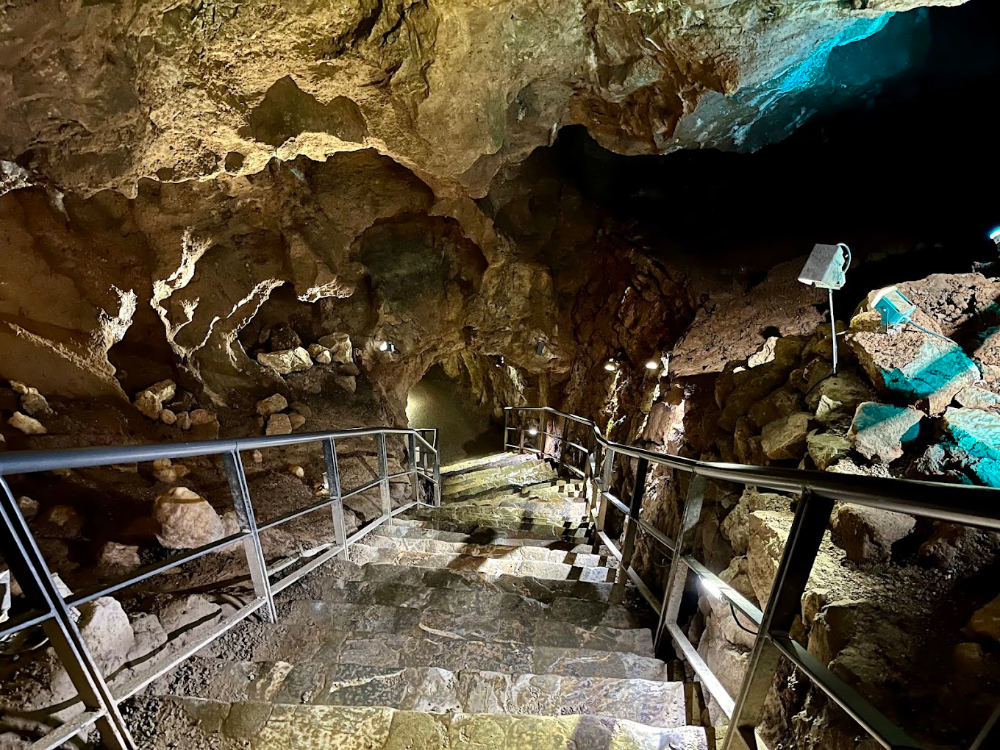
The Höhlen Erlebnis Zentrum in Bad Grund takes visitors into the fascinating world underground. During a tour of the Iberger Tropfsteinhöhle you can admire impressive stalactite formations and special rock structures. The museum also tells the story of the geological history of the Iberg and the 3,000-year-old Lichtensteinhöhle, where special archaeological finds have been made. The combination of nature, geology and history makes the Höhlen Erlebnis Zentrum a special destination in the Harz.
Jermerstein
- 8 min
- 17 min
- 38 min
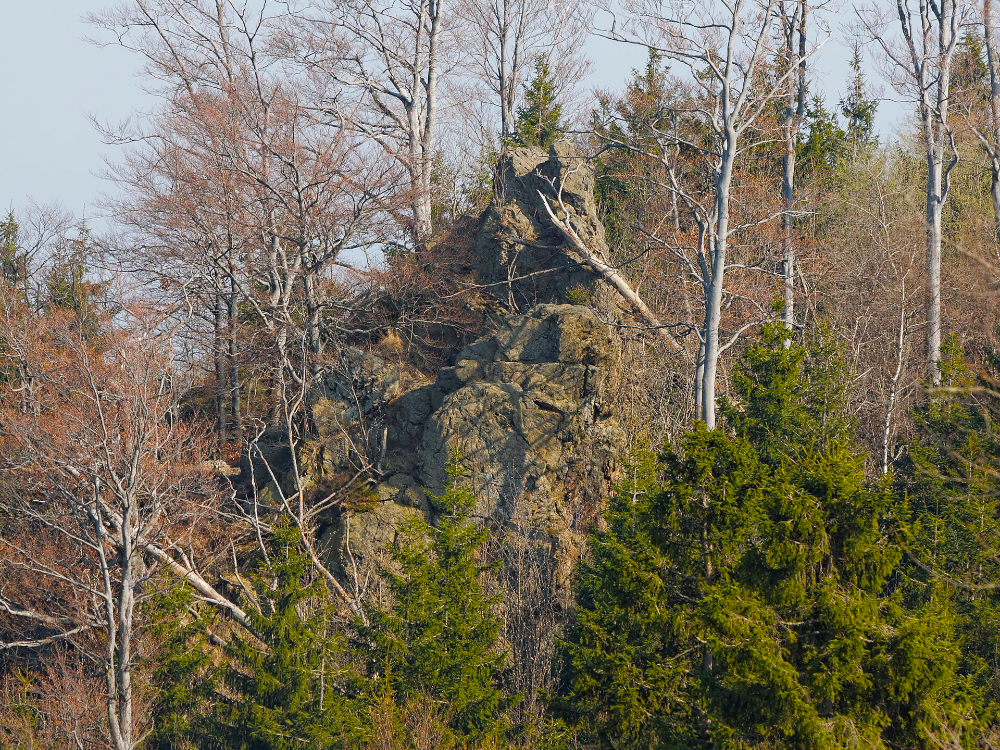
The Jermerstein is a hilltop northwest of Braunlage, with an altitude of about 700 meters. From the Jermerstein you have a beautiful view of the surroundings, including towards the Wurmberg, the Brocken and the Achtermannshöhe. The area is easily accessible via hiking trails and is often visited as a short, accessible nature walk from Braunlage. In addition, several local legends are associated with the rocks, which gives the area a mysterious and historical character.
Karstschauhöhle Heimkehle
- 49 min
- 2 hour, 19 min
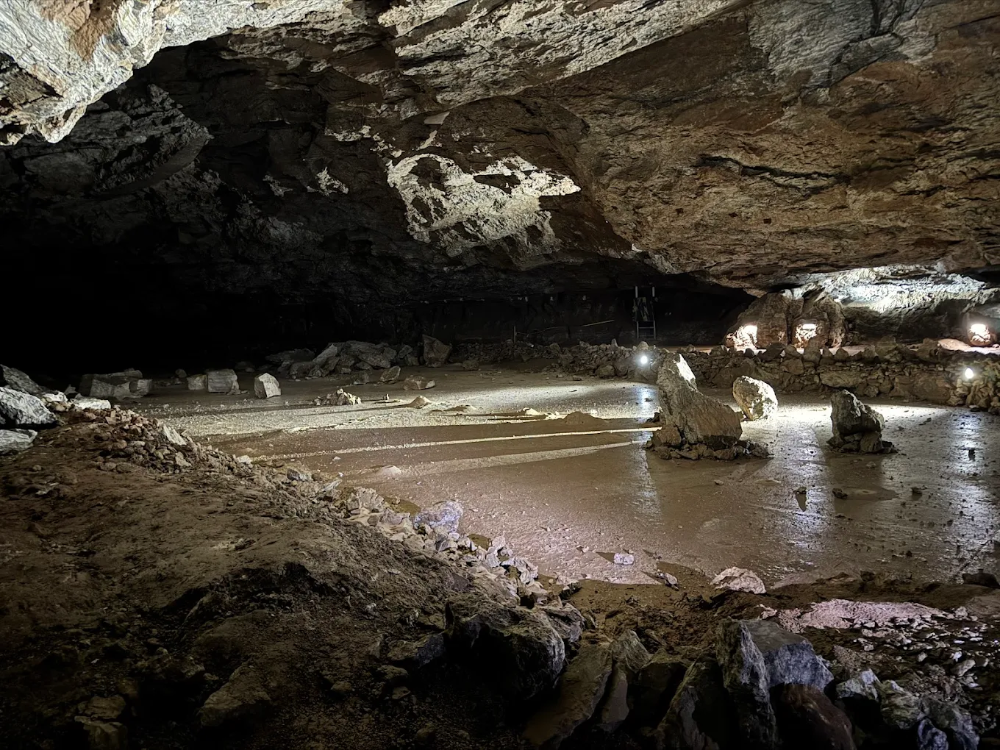
The Karstschauhöhle Heimkehle is an impressive show cave in the southern Harz and is one of the largest gypsum caves in Germany. The cave was formed in the soft gypsum and anhydrite rock of the karst area and is known for its enormous underground spaces, such as the 22 meter high 'Großer Dom', and for crystal-clear underground lakes. In addition to its natural value, the Heimkehle is also a memorial site, because the cave was used for forced labor during the Second World War.
Roßtrappe
- 45 min
- 2 hour, 14 min
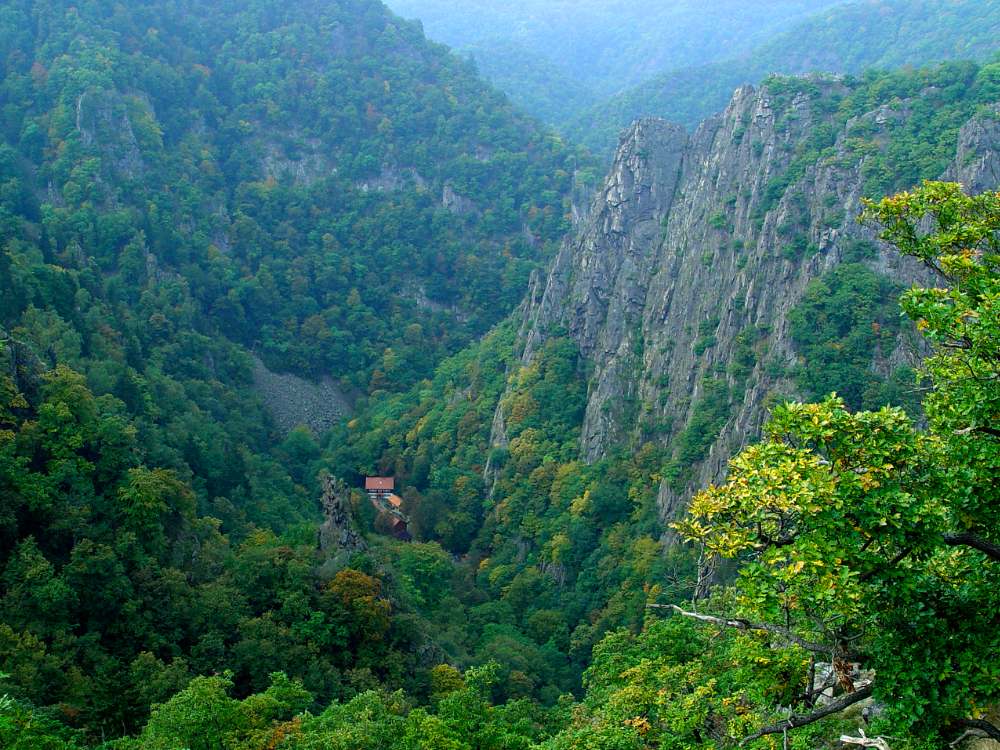
The Roßtrappe is an impressive granite rock formation near Thale. The rock formation is located 403 meters above sea level and towers high above the Bodetal. The place is known for its spectacular view over the Bode gorge, the Harz foreland and the opposite rocks of the Hexentanzplatz. You can reach the top via hiking trails, road or by chairlift from Thale. According to the famous legend of the Roßtrappe, the hoof print of a horse can be seen here, created when a princess jumped over the gorge on her horse to escape a giant.
Schaubergwerk Büchenberg
- 26 min
- 1 hour, 11 min
- 4 hour, 17 min
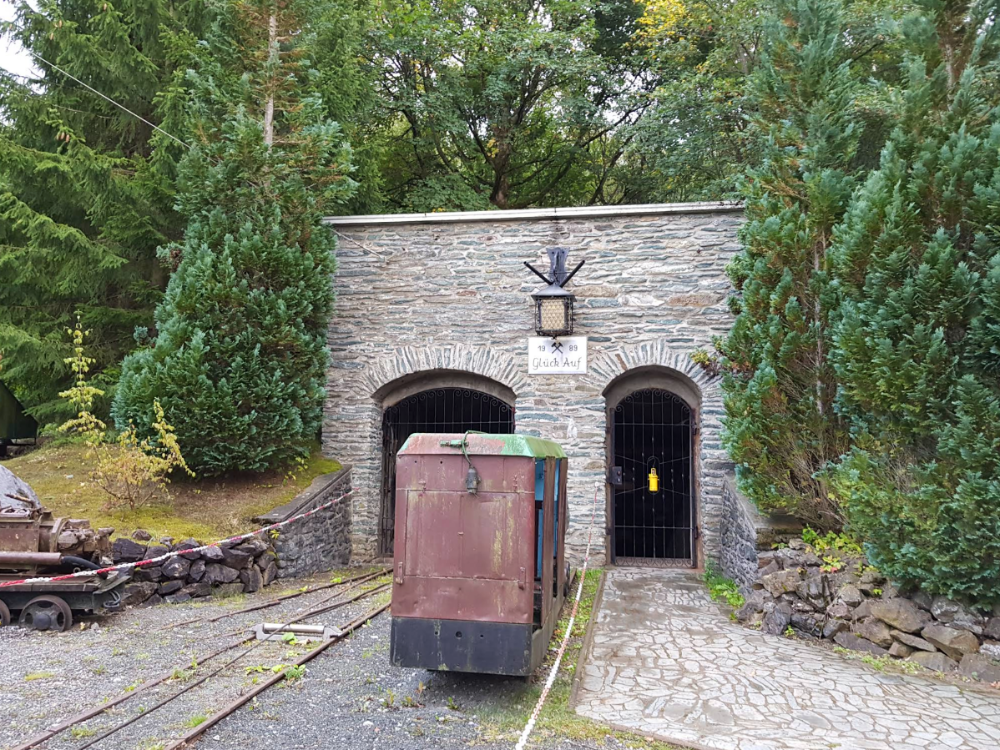
The Schaubergwerk Büchenberg near Elbingerode introduces visitors to the history of iron ore mining in the Harz. During a tour of the former mine you will get an impressive impression of the hard work of the miners and you can view historic mining machines and installations. The colorful geological formations and the original ore deposits deep underground are special, making a visit to this mine a special experience for lovers of history, technology and geology.
Sonnenberg
- 12 min
- 51 min
- 2 hour, 32 min
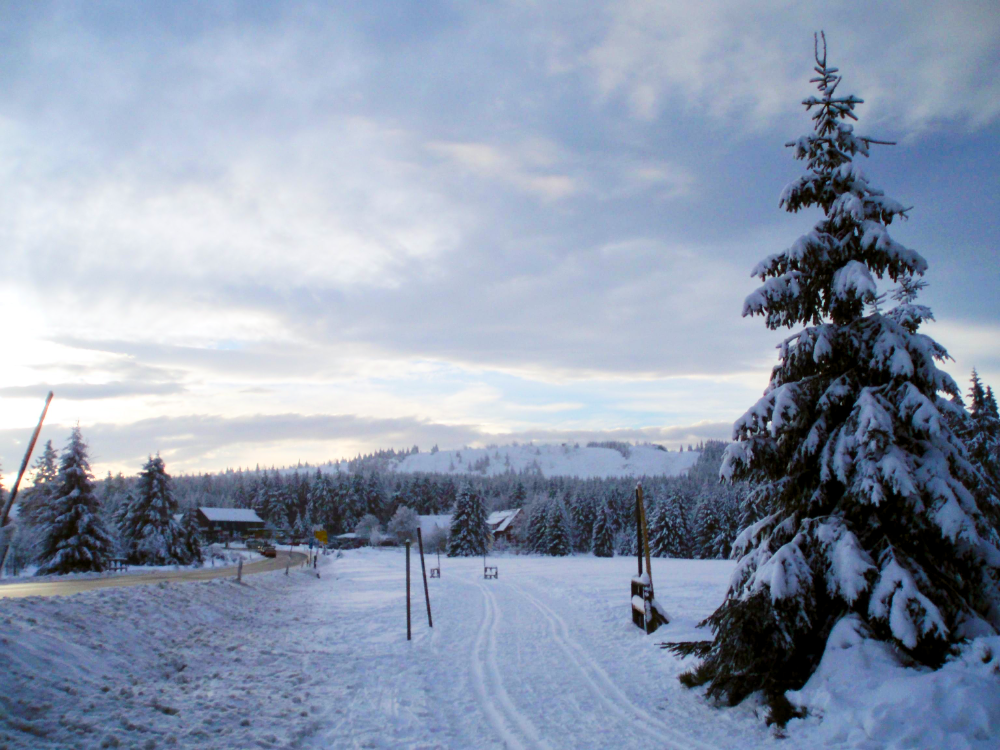
The Sonnenberg is a mountain and nature reserve in the Harz National Park, located between Sankt Andreasberg and Oderbrück. The area is located at an altitude of 800 to 850 meters and is known for its extensive forests, quiet raised moor areas and rugged mountain nature. The Sonnenberg is also home to large water reservoirs such as the Sonnenberg reservoirs, which are part of the historic Upper Harzer Wasserregal, a centuries-old water management system used in mining. The area is popular with hikers, cross-country skiers and nature lovers who want to experience the quiet, unspoilt side of the Harz.
Teufelsmauer
- 46 min
- 2 hour, 10 min
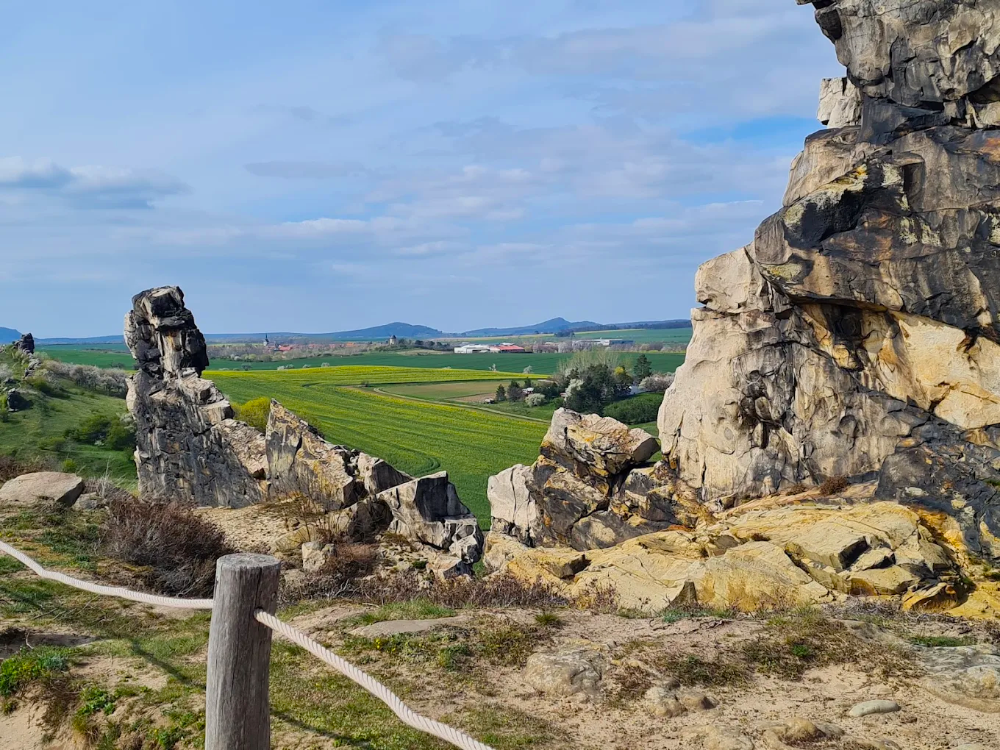
The Teufelsmauer (Devil's Wall) is a striking sandstone rock formation in the northern Harz foreland, between Blankenburg, Weddersleben and Ballenstedt. It consists of jagged, steeply rising rock ridges that run through the landscape like a natural 'wall'. According to an old legend, the devil himself built the wall, which gives the area a mysterious and folkloric character.
Weltkulturerbe Rammelsberg
- 40 min
- 2 hour, 24 min
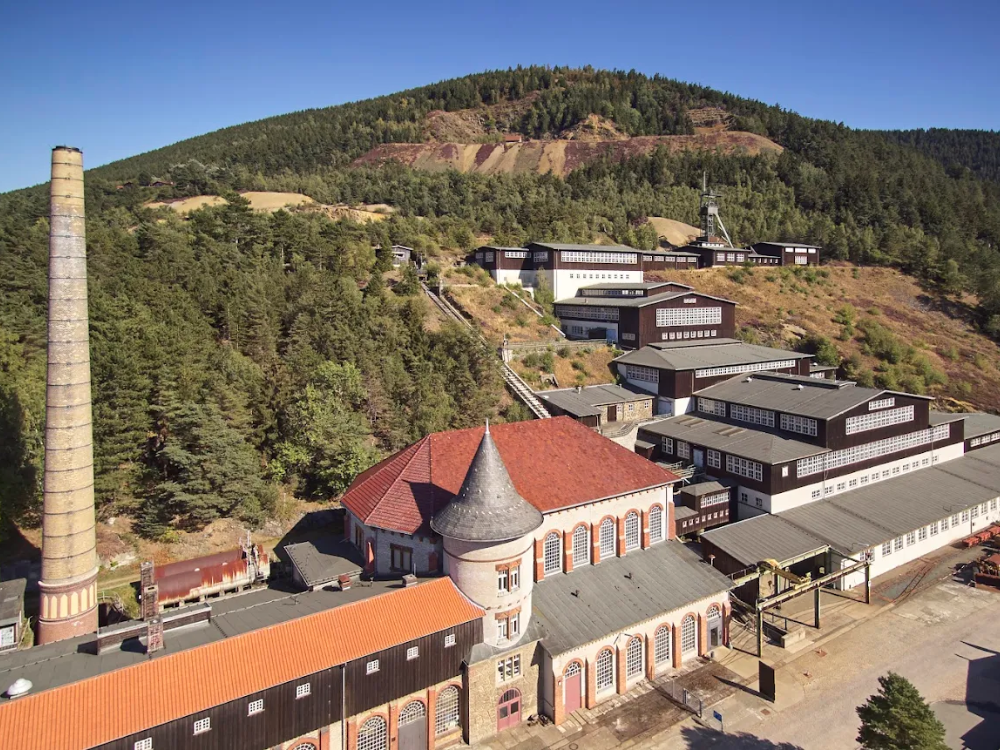
The Weltkulturerbe Rammelsberg in Goslar (Unesco World Heritage Site) is a former ore mining complex where mining took place continuously for more than 1,000 years. Mainly copper, lead and zinc ores were mined here, which brought great wealth to the city of Goslar in the Middle Ages. Nowadays the site is set up as a museum and visitor mine, where you can discover how mining worked, both above ground and underground. Visitors gain insight into the impressive industrial installations, tunnels and the lives of the miners over the centuries.
Wurmberg
- 16 min
- 56 min
- 1 hour, 29 min
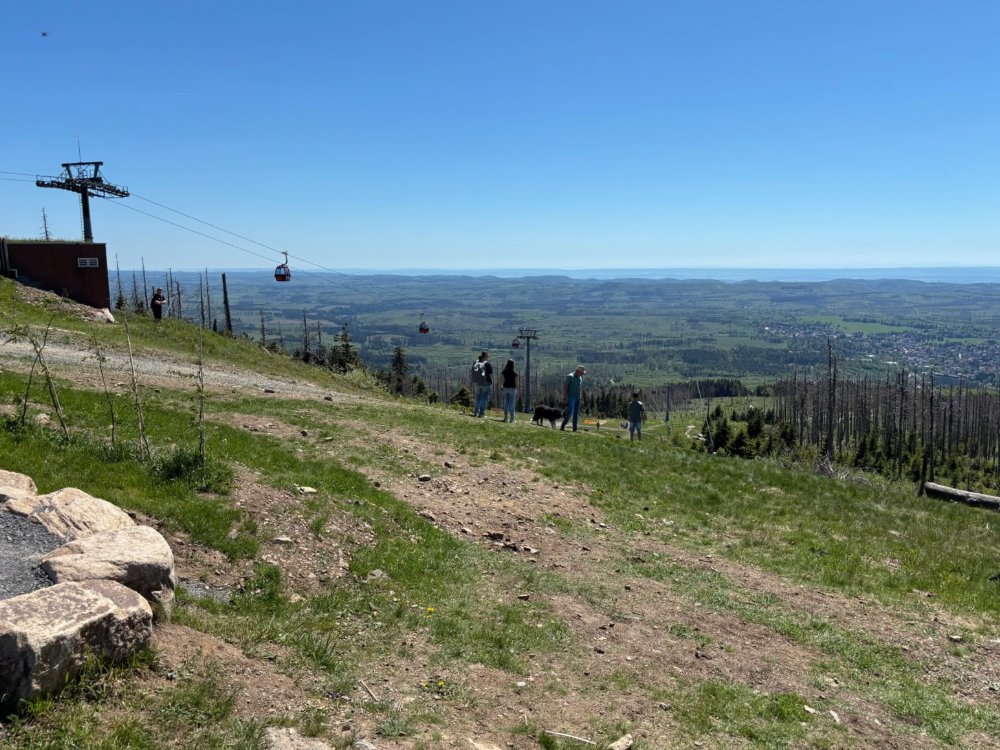
At 971 meters, the Wurmberg is one of the highest mountains in northern Germany and is located directly near Braunlage. The mountain is part of the Harz National Park and is an important recreational area during all seasons. On top of the mountain you will find a cable car, ski slopes, toboggan runs and hiking trails, which means that the Wurmberg attracts many visitors in both winter and summer. In winter it is the largest ski area in northern Germany, while in summer it is popular for hiking, mountain biking and the beautiful view over the Harz.
Wurmberg Seilbahn
- 4 min
- 8 min
- 24 min
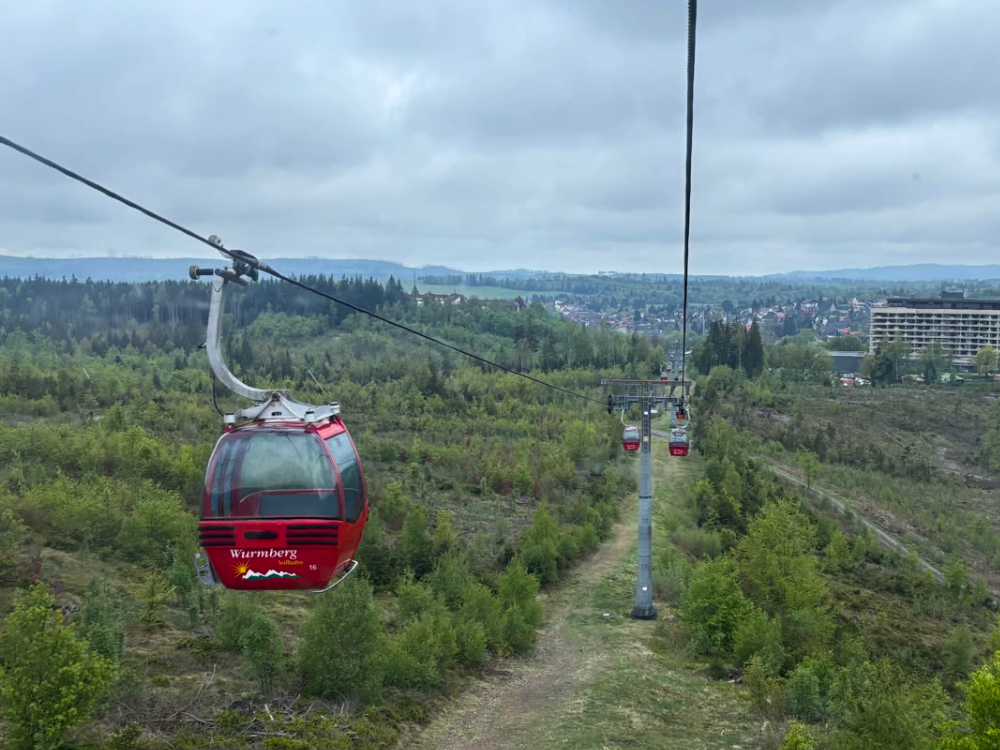
The Wurmberg Seilbahn in Braunlage is the longest cable car in northern Germany and takes visitors comfortably from the valley to the top of the Wurmberg (971 meters) in 15 minutes. Along the way you will float in modern gondolas over the forests of the Harz Mountains and you will get beautiful views of Braunlage and the surrounding mountains. Once you reach the top, you have direct access to hiking trails, recreational areas and, in winter, the Wurmberg ski area. The Seilbahn is in use all year round and is the most important and comfortable way to reach the highest mountain in Lower Saxony.